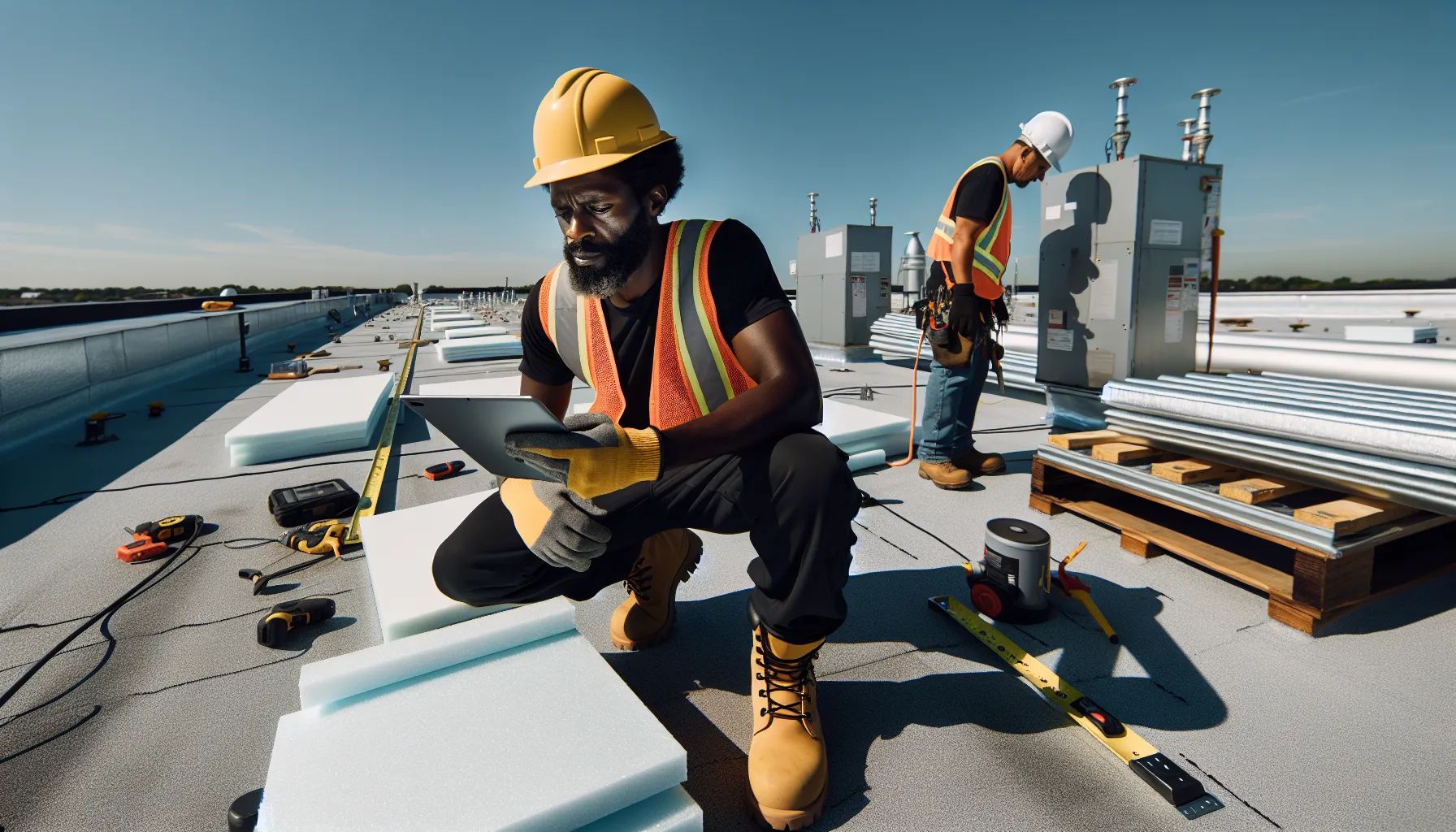
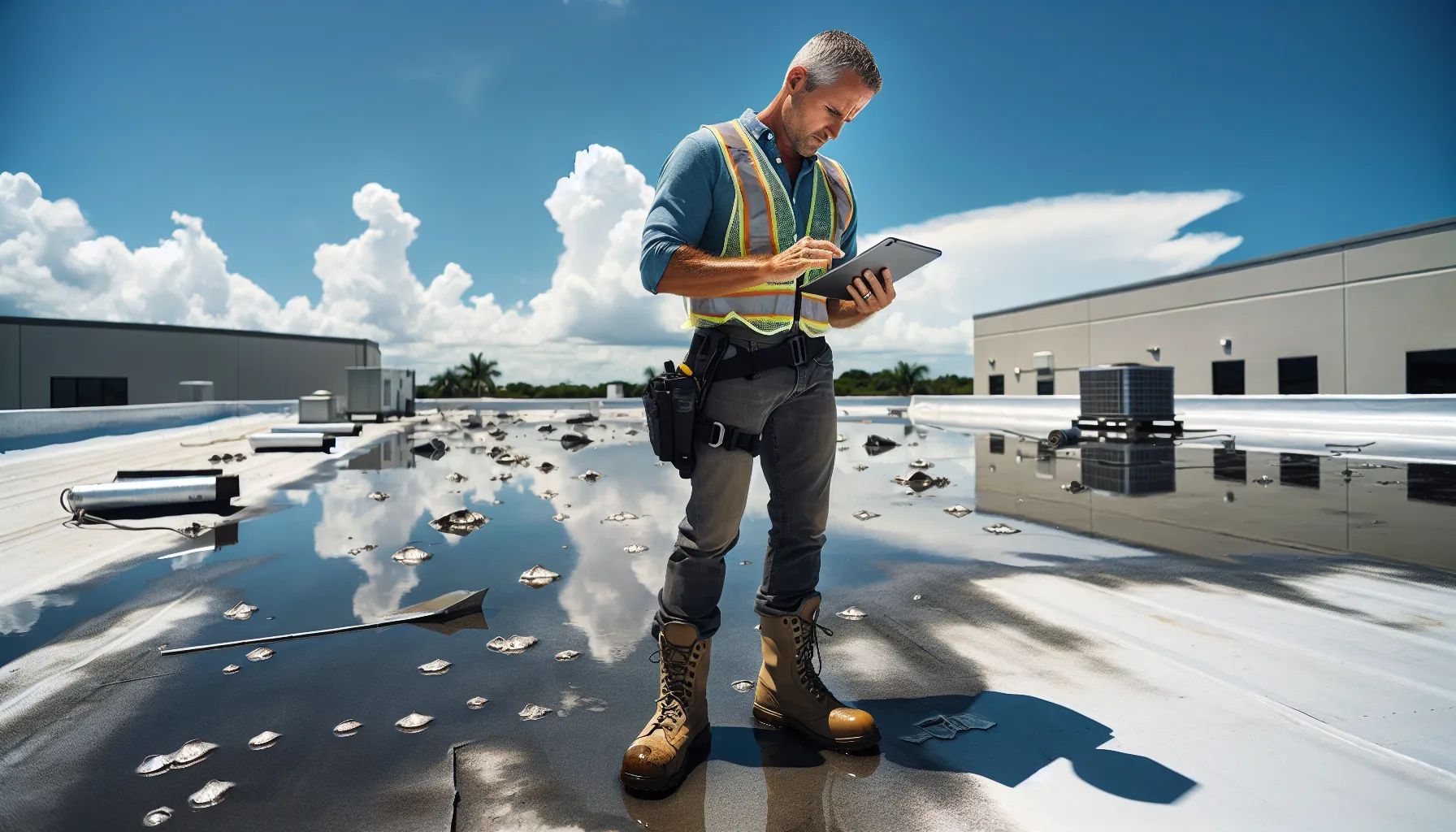
Commercial Roofing Replacement: A Complete Guide for Property Owners
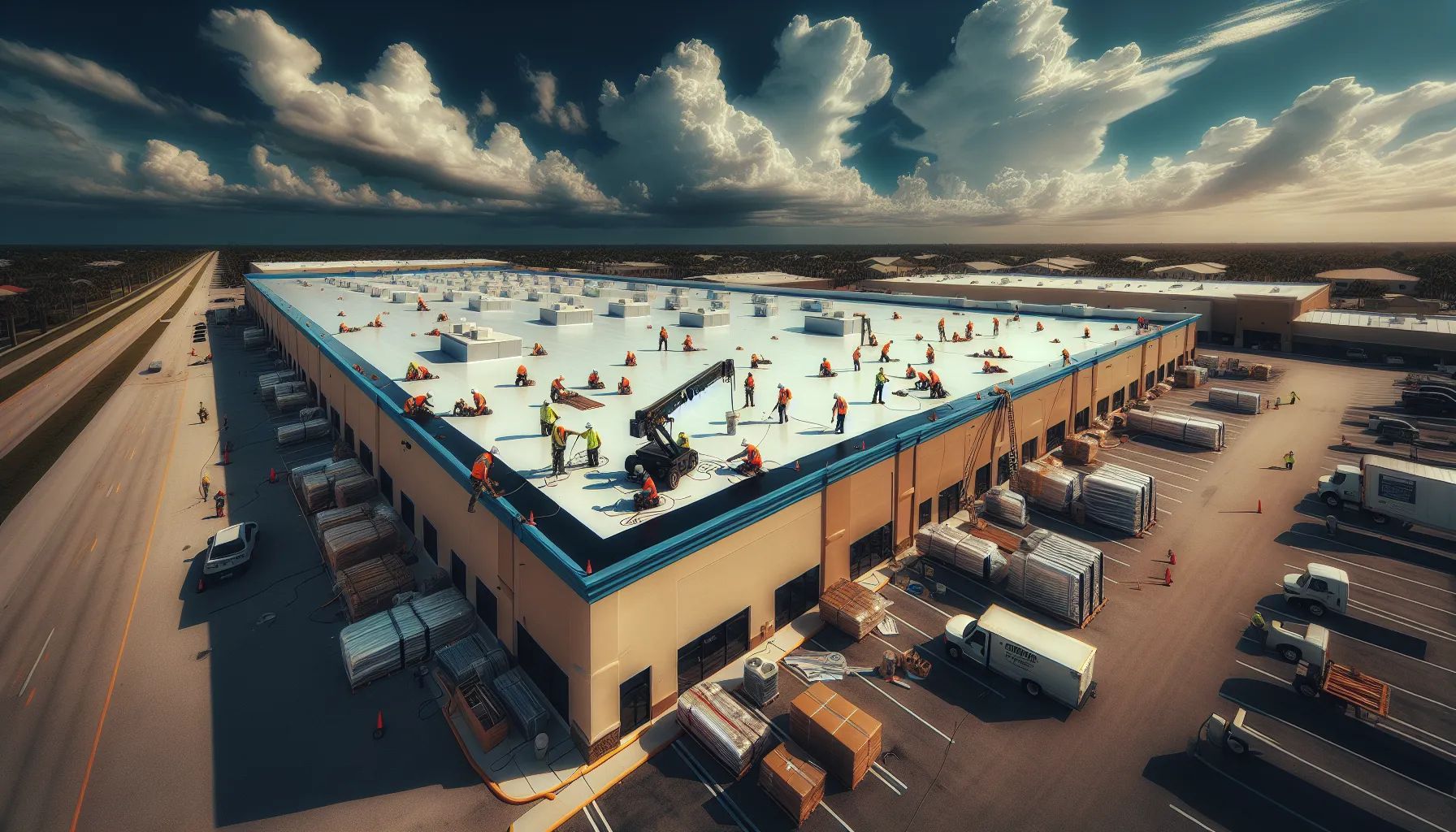
If you own commercial property in the St. Petersburg area, you know our Florida climate tests roofs hard. Between hurricane-force winds, relentless UV exposure, and sudden downpours, commercial roofs take a beating year after year.
We've helped hundreds of property owners make the transition from patching problems to investing in a complete commercial roofing replacement, and the difference is night and day. Not only do you eliminate recurring leaks and emergency repairs, but you also gain peace of mind knowing your building, inventory, and tenants are protected.
In this guide, we'll walk you through the telltale signs your roof needs replacing, the materials that work best in Florida's harsh conditions, what the replacement process actually looks like, and how to choose a contractor who won't leave you hanging. By the end, you'll know exactly how to move forward without disrupting your business or breaking your budget.
Let's get started.
Signs Your Commercial Roof Needs Replacement
Knowing when to replace your commercial roof, rather than patch it one more time, can save you tens of thousands of dollars. Here's what we look for when we inspect commercial properties in the Tampa Bay region.
Visible Damage and Deterioration
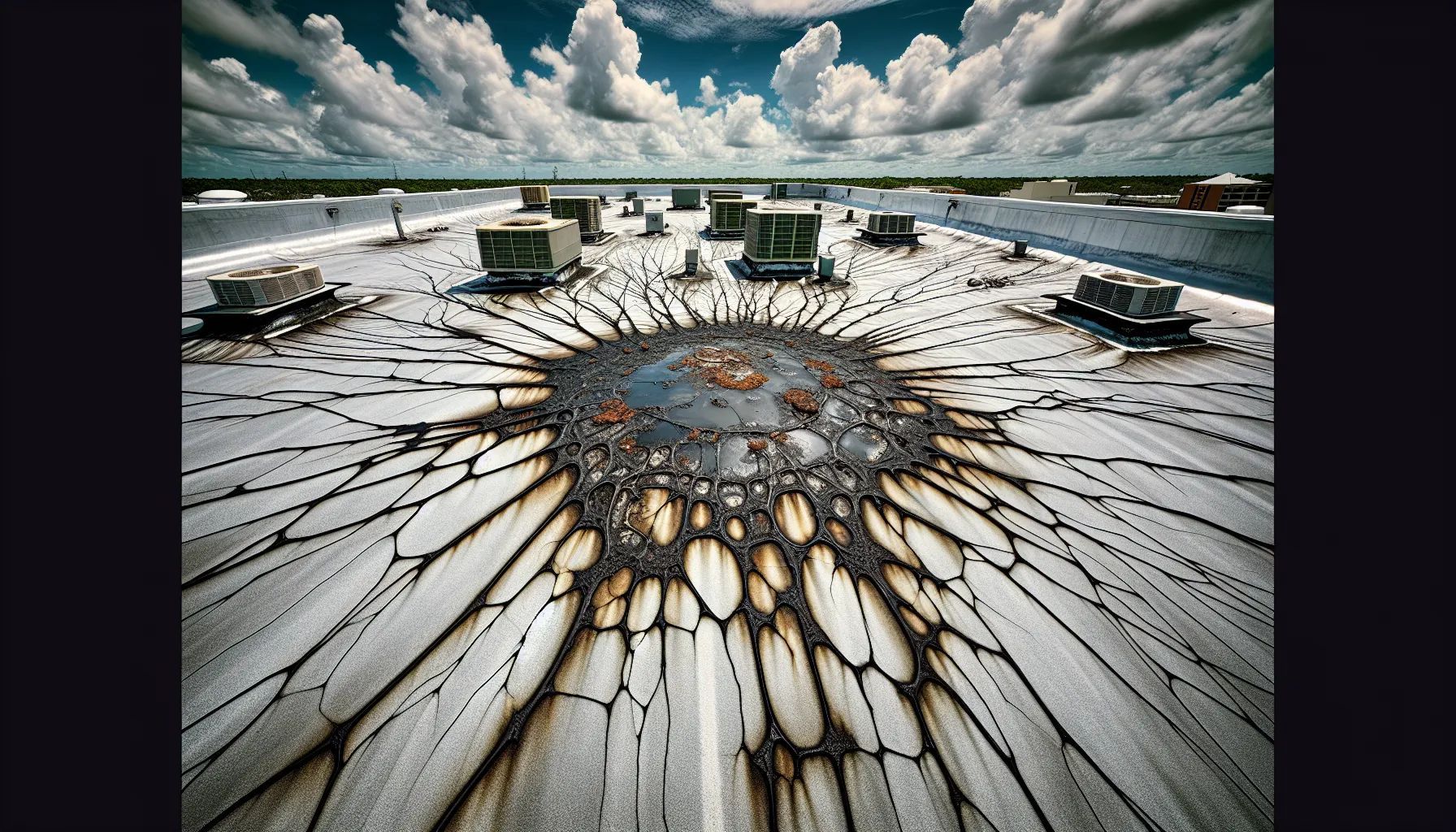
Walk your roof (safely, or have a professional do it). You're looking for cracks that spiderweb across membranes, blisters that bubble up from trapped moisture, and sections where roofing material has worn thin or gone missing entirely.
Metal panels might show rust, corrosion, or even bulging from water infiltration. These aren't cosmetic issues.
They signal that your roof's protective barrier is failing. Once water gets underneath, structural damage accelerates fast, especially in Florida's humid climate where mold and rot thrive.
If you spot multiple areas of visible deterioration, patching becomes a game of whack-a-mole. Replacement is usually the smarter call.
Persistent Leaks and Water Damage
A leak here and there might seem manageable. But if you're calling for repairs every few months, or if water stains keep reappearing on ceilings and walls, your roof is telling you it's done.
Persistent leaks don't just damage drywall. They ruin inventory, corrode HVAC systems, short out electrical panels, and create liability risks if tenants or employees slip on wet floors.
Mold growth is another red flag. Once mold takes hold in your building envelope, remediation costs skyrocket.
We've seen property owners spend more on repeated leak repairs over two years than they would have spent replacing the roof outright. If leaks have become routine, it's time for a new roof.
Rising Energy Costs and Poor Insulation
Have your cooling bills crept up over the past few years? A deteriorating roof often means compromised insulation and air leaks.
When your roof's thermal barrier breaks down, your HVAC system works overtime to maintain temperature. That drives up energy costs month after month.
In St. Petersburg's long, hot summers, even a small drop in insulation performance can cost you hundreds or thousands annually. A new roof with modern insulation and reflective membranes can cut energy bills by 20% or more.
If your roof is 15+ years old and energy costs are climbing, replacement pays for itself faster than you'd think.
Understanding Commercial Roofing Materials and Options
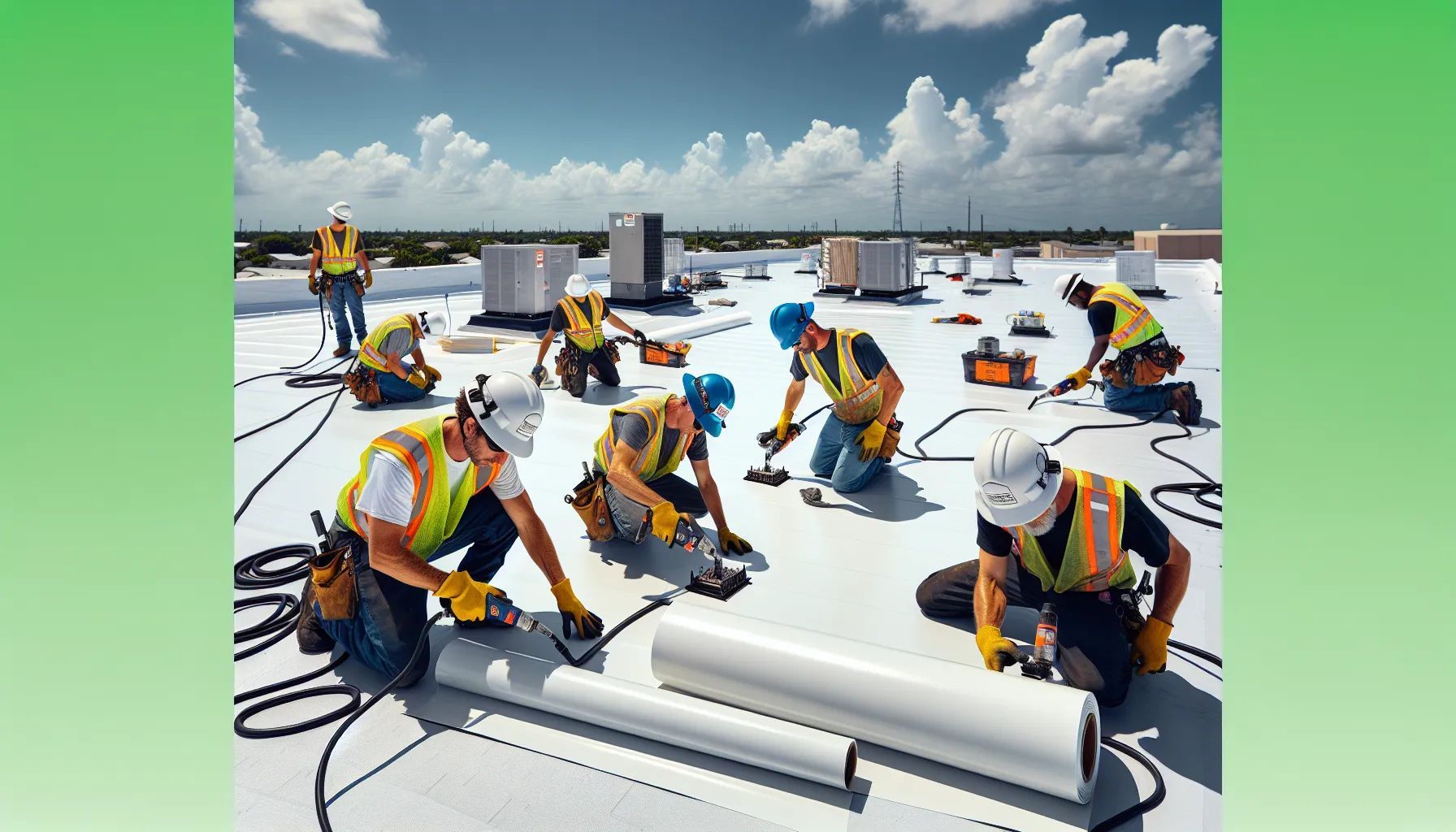
Choosing the right material for your commercial roofing replacement is one of the most important decisions you'll make. Each option has trade-offs in cost, lifespan, and performance in Florida's climate.
TPO and PVC Single-Ply Membranes
TPO (thermoplastic polyolefin) and PVC (polyvinyl chloride) membranes dominate the commercial roofing market for good reason. They're lightweight, energy-efficient, and stand up well to UV exposure.
Both materials come in large sheets that are heat-welded at the seams, creating watertight bonds that outperform glued or mechanically fastened systems. The bright white or light gray surface reflects sunlight, keeping your building cooler and cutting air conditioning costs.
TPO tends to be more budget-friendly, while PVC offers superior chemical resistance, important if your building houses restaurants, labs, or facilities that vent grease or fumes. Expect 15 to 30 years of service life with proper installation and maintenance.
We install a lot of TPO and PVC in the Tampa Bay area because they handle our heat and humidity without breaking a sweat.
EPDM Rubber Roofing
EDPM (ethylene propylene diene terpolymer) is a black rubber membrane that's been a workhorse in commercial roofing for decades. It's extremely durable, flexible in temperature swings, and resistant to ozone and weathering.
EDPM sheets can be installed with adhesives, mechanically fastened, or ballasted with gravel or pavers. Seams are sealed with tape or liquid adhesive.
The main trade-off? EPDM's black surface absorbs heat, which can increase cooling costs in Florida. But if you're covering a warehouse or storage facility where interior temperature matters less, EPDM delivers reliable, low-maintenance performance for 20 to 30 years.
It's also one of the easiest membranes to repair if damage does occur.
Modified Bitumen Systems
Modified bitumen is an asphalt-based roofing system reinforced with fiberglass or polyester fabrics. It's installed in multiple layers, either torch-applied (using a propane torch to melt and bond sheets) or with cold adhesives.
This material is tough. It holds up well to foot traffic, resists punctures, and repairs are straightforward.
Modified bitumen works well on roofs that see regular maintenance access, think HVAC units, satellite dishes, or rooftop equipment. Lifespan typically runs 15 to 20 years.
The downside is weight and heat absorption. It's heavier than single-ply membranes and the dark surface can drive up cooling costs. But for durability and ease of repair, modified bitumen remains a solid choice for many commercial applications.
Metal Roofing Solutions
Metal roofs, whether steel, aluminum, or copper, are the premium option for commercial properties. They're fire-resistant, extremely long-lasting (30 to 50 years or more), and can handle Florida's high winds and storm debris.
Standing seam metal roofs, with their interlocking panels and concealed fasteners, are particularly popular. They shed water efficiently and offer a clean, modern look.
Metal roofs cost more upfront, often $10 to $15+ per square foot installed. But over their lifespan, they deliver excellent value, especially if you plan to own the property long-term.
They're also low-maintenance and can support solar panel installations without additional reinforcement. If budget allows and longevity is a priority, metal is hard to beat.
The Commercial Roof Replacement Process
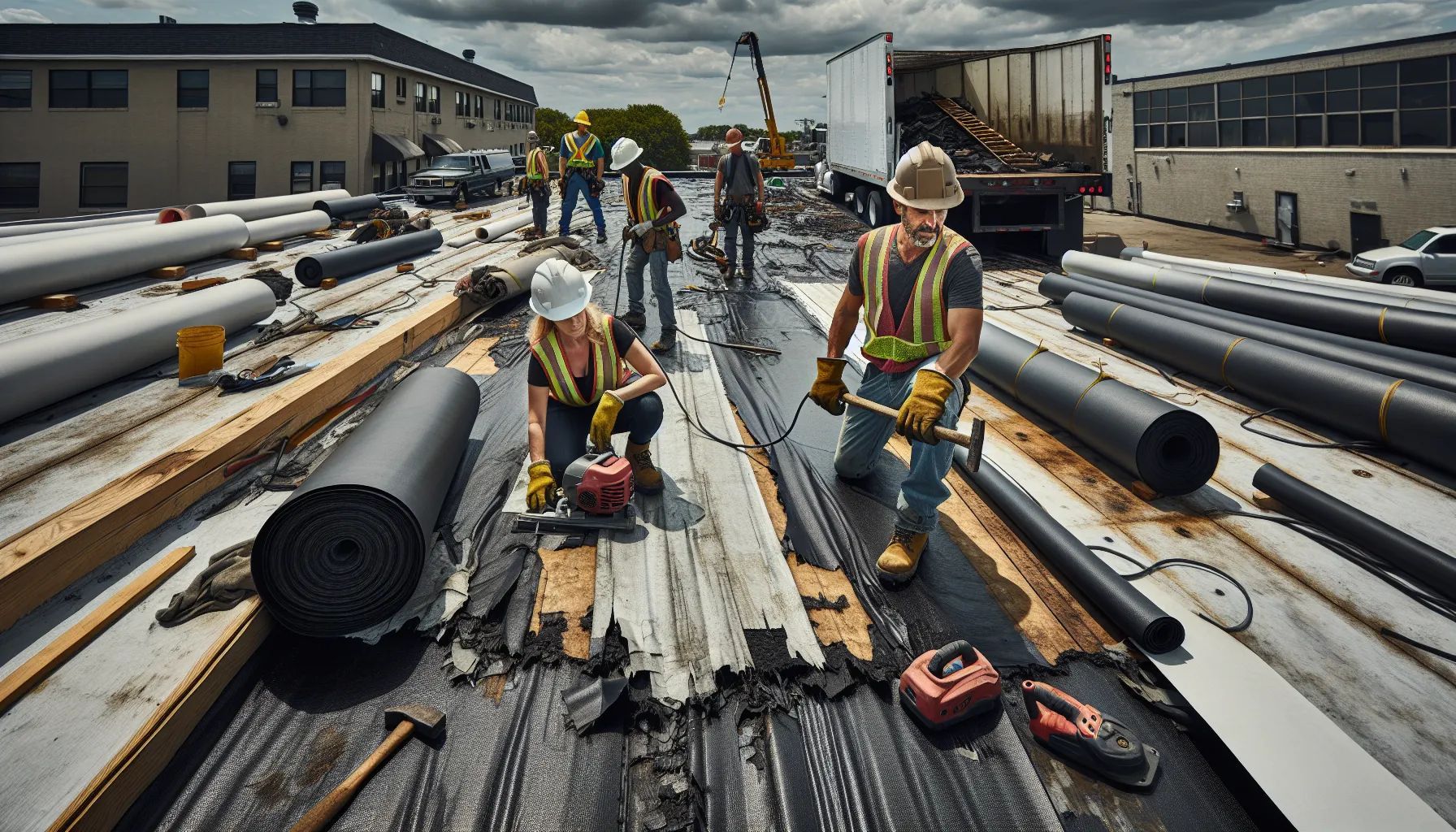
Understanding what happens during a commercial roofing replacement helps you plan better and avoid surprises. Here's how we approach every project.
Initial Inspection and Assessment
Everything starts with a thorough roof inspection. We'll document the current condition, identify problem areas, measure the roof, and check for underlying structural issues.
Core samples or moisture scans might be used to detect hidden water damage in insulation or decking. Photos and detailed notes go into a written assessment.
Based on what we find, we'll recommend whether repair or replacement makes more sense, and if replacement is the call, which materials suit your building, budget, and goals. This phase also includes a cost estimate and projected timeline.
A good inspection takes time. Rushed assessments miss critical details that come back to bite you later.
Project Planning and Permits
Once you've approved the scope and signed a contract, we move into planning. This includes finalizing material orders, scheduling crews, and pulling permits from your local building department.
Permits are non-negotiable for commercial roofing replacement in Florida. Inspections ensure work meets building codes, wind ratings, and fire safety standards.
We also coordinate with you on timing, when can we work to minimize disruption? Do tenants need advance notice? Are there delivery or staging areas we need to reserve?
Careful planning keeps the project on track and prevents costly delays or code violations down the road.
Tear-Off and Installation Timeline
On day one, crews arrive to remove the old roofing material (the "tear-off"). This exposes the roof deck, allowing us to inspect for rot, damage, or weak spots that need repair or replacement.
Next, we install underlayment and insulation, followed by the new roofing membrane or panels. Flashing, edge details, and penetrations (vents, pipes, HVAC curbs) are sealed and secured.
Depending on roof size and complexity, installation can take anywhere from a few days to several weeks. Weather plays a role, rain delays are common in Florida, especially during summer.
We work section by section to keep your building protected. Once installation is complete, a final inspection by the building department and our team ensures everything meets code and warranty requirements.
You'll receive documentation, warranty paperwork, and care instructions before we wrap up.
Cost Factors for Commercial Roof Replacement
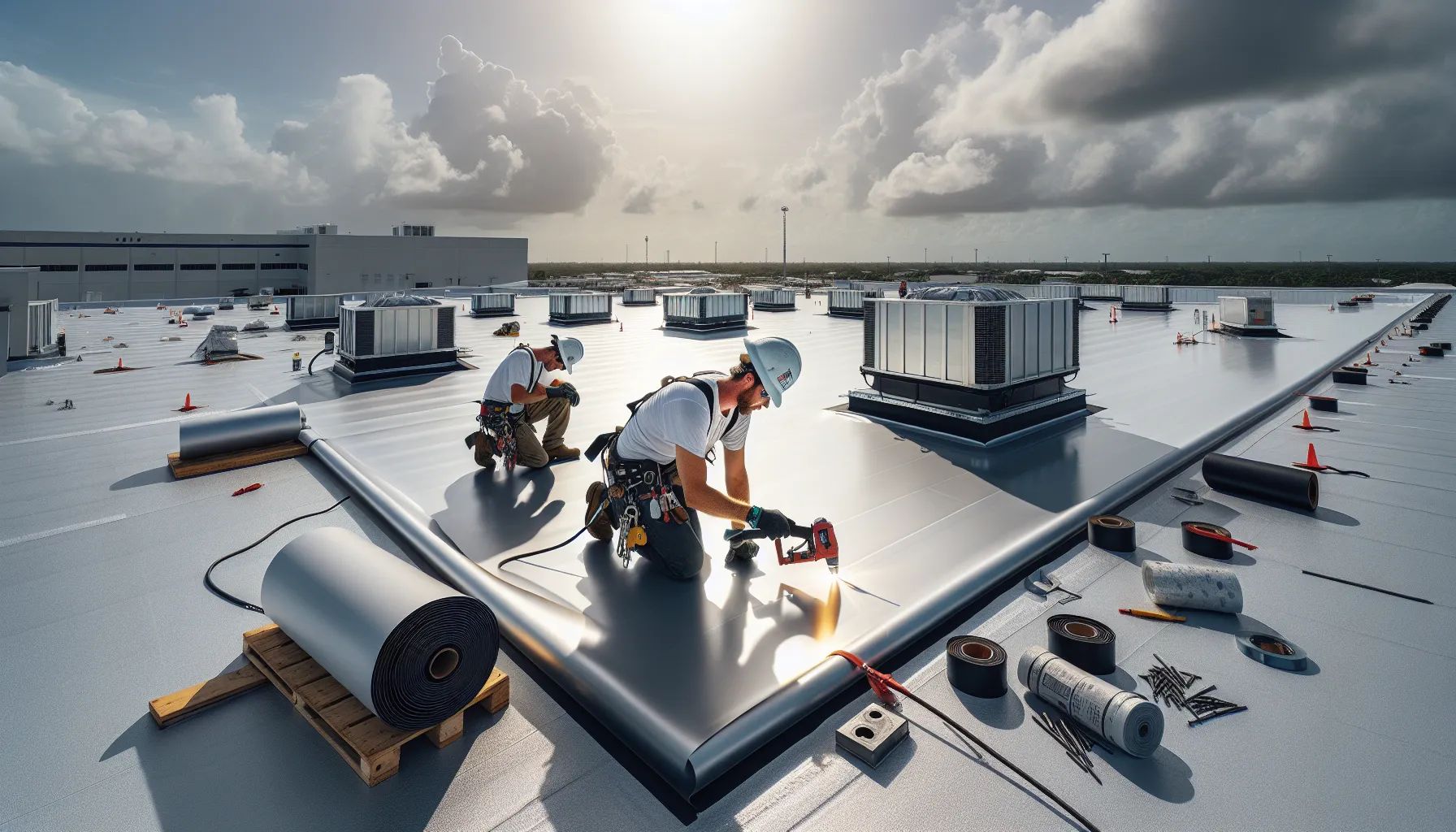
Commercial roofing replacement isn't cheap, but understanding what drives cost helps you budget accurately and avoid sticker shock. Here are the big variables.
Material Selection and Quality
Your choice of roofing material has the biggest impact on price. TPO and EPDM are typically the most affordable, running $5 to $8 per square foot installed. Modified bitumen falls in a similar range.
PVC membranes cost a bit more, $7 to $10 per square foot, due to superior chemical resistance and durability. Metal roofing sits at the high end, often $10 to $15+ per square foot, but delivers decades of service.
Within each material category, quality grades exist. Thicker membranes, premium coatings, and manufacturer certifications add cost but extend lifespan and performance.
We help clients weigh upfront cost against long-term value. Cheaper isn't always better, especially in Florida's tough climate.
Building Size and Roof Complexity
Square footage is the baseline. A 10,000-square-foot roof costs more than a 5,000-square-foot roof, no surprise there.
But complexity matters as much as size. Multiple roof levels, parapets, skylights, HVAC units, and irregular shapes add labor time and material waste. Every penetration needs custom flashing: every transition requires careful detailing.
Flat roofs are simpler than sloped or multi-pitch designs. Access also plays a role, if crane lifts or special equipment are needed to get materials on the roof, costs climb.
We provide detailed, itemized quotes so you know exactly what you're paying for.
Local Climate Considerations
Florida's climate demands higher-performance materials and installation standards. High wind ratings (often 120+ mph) require additional fasteners and reinforced edges.
Reflective membranes and upgraded insulation cost more upfront but slash cooling costs in our relentless heat. Impact-resistant materials may also be required or recommended in hurricane-prone zones.
Local labor rates, permitting fees, and insurance requirements vary by county. Pinellas County has specific codes and inspection processes that influence project cost and timeline.
When we quote a project, we factor in all these regional realities so there are no surprises.
Choosing the Right Commercial Roofing Contractor
Your contractor makes or breaks your commercial roofing replacement. Choose wisely, and you'll get a roof that lasts decades. Choose poorly, and you'll face leaks, code violations, and voided warranties.
Licensing, Insurance, and Certifications
In Florida, commercial roofing contractors must hold a state-certified roofing contractor license. Don't work with anyone who can't produce one.
Verify they carry general liability insurance and workers' compensation coverage. If an uninsured worker gets hurt on your property, you could be liable.
Manufacturer certifications matter too. TPO and PVC manufacturers like GAF, Carlisle, and Firestone train and certify contractors to install their systems. Certified contractors can offer longer, more comprehensive warranties.
Ask to see proof of licensing, insurance, and certifications before signing anything.
Experience with Commercial Projects
Commercial roofing is a different animal from residential. Larger scale, stricter codes, and business continuity concerns require specialized experience.
Ask how many commercial projects the contractor has completed in the past year. Request references from property owners or managers whose buildings are similar to yours.
Drive by completed projects if possible. Do they look professional? Are there signs of shoddy work or shortcuts?
We've been installing commercial roofs in the Tampa Bay area for years, and we can point you to dozens of properties where our work stands up to scrutiny.
Warranty Coverage and Service Guarantees
Warranties come in two flavors: manufacturer material warranties and contractor workmanship warranties. Make sure you understand both.
Material warranties typically cover defects in the roofing product itself, 10 to 30 years depending on the system. Workmanship warranties cover installation errors and usually run 1 to 10 years.
Some manufacturers offer "system warranties" that cover both materials and labor if the contractor is certified and follows strict installation protocols. These are gold-standard coverage.
Also ask about service guarantees. If a problem arises, how quickly will the contractor respond? Is there an emergency hotline? What's included in post-installation inspections?
A strong warranty backed by a reputable contractor is worth its weight in gold, especially when Florida storms roll through.
Minimizing Business Disruption During Replacement
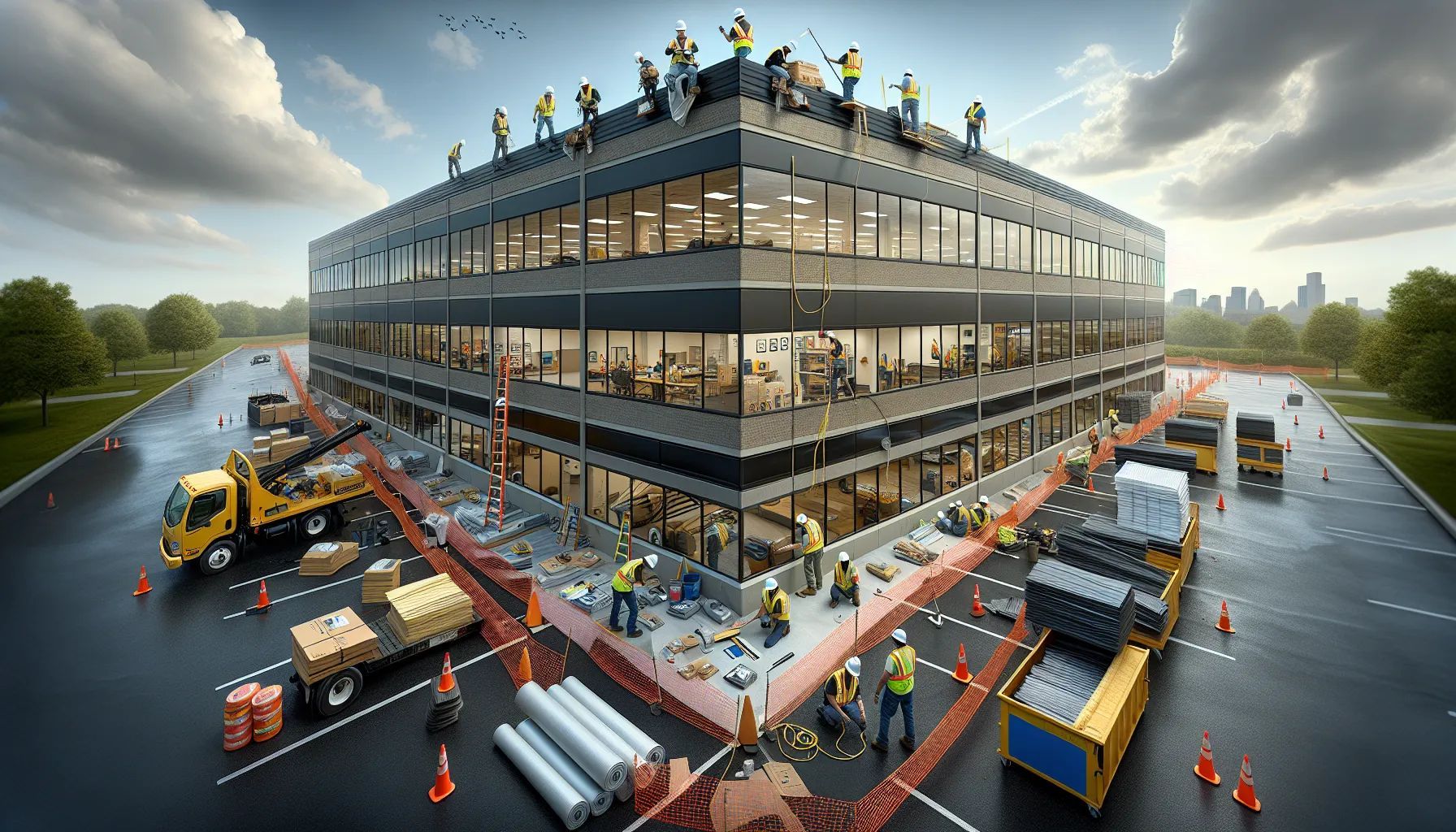
A commercial roofing replacement doesn't have to shut down your business. With smart planning, you can keep operations running smoothly.
First, schedule work during off-hours or slow seasons. For retail or office buildings, night and weekend work minimizes impact on employees and customers. Warehouses or industrial facilities might have maintenance windows that align with roof work.
Communicate early and often with tenants, employees, and customers. Let them know the timeline, what to expect (noise, equipment, restricted access), and how you're protecting their safety.
Create staging and debris zones away from entrances and high-traffic areas. Dumpsters, material piles, and equipment should be fenced off or clearly marked.
Work section by section so the building stays weather-tight. We never leave large areas exposed overnight or during storms.
Coordinate with your contractor on delivery schedules, crane access, and utility shutoffs if needed. A good contractor treats your property like their own, protecting landscaping, cleaning up daily, and keeping disruption to an absolute minimum.
We've completed dozens of commercial roof replacements where tenants barely noticed the work happening above them. It's all about planning and communication.
Maintenance Tips to Extend Your New Roof's Lifespan
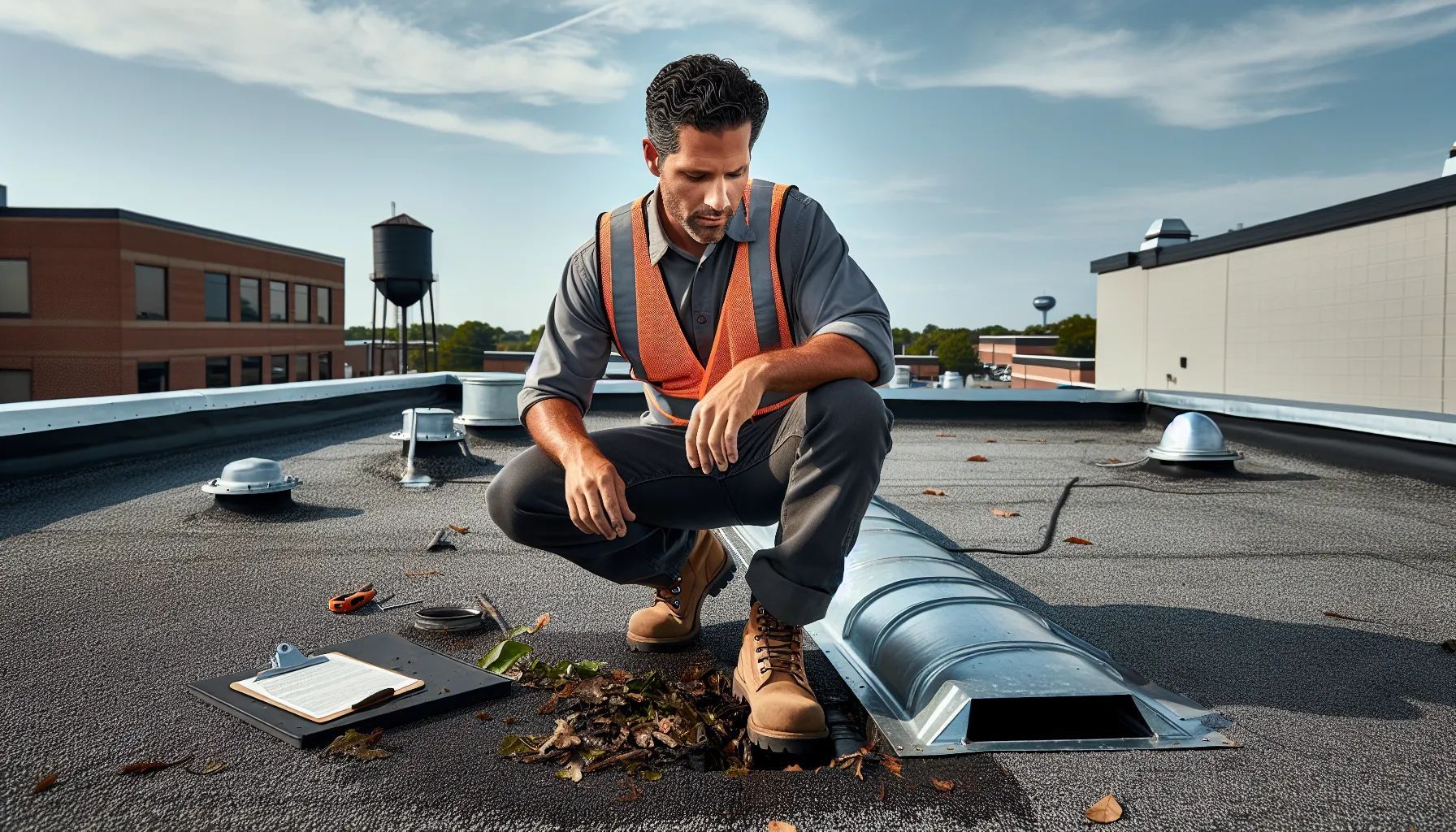
A new roof is a major investment. Protect it with regular maintenance, and you'll add years, even decades, to its lifespan.
Regular Inspections and Debris Removal
Inspect your roof at least twice a year, spring and fall, and after major storms. Look for damage, ponding water, or debris buildup.
Leaves, branches, and dirt accumulate in valleys, around HVAC units, and along parapet walls. Left unchecked, organic debris traps moisture and accelerates membrane degradation.
Sweep or blow debris off the roof regularly. Trim overhanging branches to reduce buildup and prevent damage from falling limbs.
Schedule professional inspections annually. Trained eyes catch small issues, loose flashing, worn seams, minor punctures, before they become expensive problems.
Drainage System Maintenance
Clogged drains and scuppers are the number one cause of ponding water on flat commercial roofs. Ponding water stresses membranes, leaks through seams, and shortens roof life.
Check and clear all drains, downspouts, and gutters regularly, especially before and during rainy season. Install leaf guards or strainers to keep debris out.
If you notice standing water 48 hours after a rain, call a professional. Poor drainage might indicate sagging decking, inadequate slope, or undersized drains that need correction.
Keeping water moving off your roof is one of the simplest, most effective maintenance steps you can take.
Documentation and Warranty Compliance
Keep detailed records of all inspections, repairs, and maintenance. Most manufacturer warranties require proof of regular maintenance to remain valid.
Document dates, work performed, and photos. Store warranties, installation records, and contractor contact info in a safe, accessible place.
If you sell the property, transferable warranties add value and appeal to buyers. But transfers often require documented maintenance history.
We provide our clients with maintenance checklists and remind them when inspections are due. Staying on top of paperwork protects your investment and keeps warranties intact.
Conclusion
A commercial roofing replacement is a significant decision, but it's also one of the smartest investments you can make in your property. From eliminating persistent leaks and slashing energy bills to protecting your tenants and assets, a new roof delivers value that compounds year after year.
We've walked you through the warning signs that it's time to replace, the materials that perform best in Florida's demanding climate, and how to choose a contractor who'll do the job right the first time. You now know what to expect during the replacement process and how to keep your new roof performing at its peak for decades.
If you're a property owner in the St. Petersburg area and you're noticing any of the signs we covered, visible damage, recurring leaks, rising energy costs, or a roof that's simply reaching the end of its life, don't wait for a catastrophic failure. Reach out to us for a free inspection and honest assessment.
We'll give you a clear picture of your roof's condition, walk you through your options, and provide a detailed quote with no pressure and no surprises. Our goal is to help you make the best decision for your property and your budget.
Let's protect your investment together. Contact us today to schedule your inspection and take the first step toward a roof that performs, rain or shine, for years to come.
How do I know when my commercial roof needs replacement instead of repair?
If you're experiencing persistent leaks every few months, visible deterioration across multiple areas, or rising energy costs with a roof over 15 years old, replacement is typically more cost-effective than continued patching and repairs.
What is the best roofing material for commercial buildings in Florida?
TPO and PVC single-ply membranes are ideal for Florida's climate. They offer excellent UV resistance, reflect heat to reduce cooling costs, and withstand hurricane-force winds when properly installed with a 15-30 year lifespan.
How much does commercial roofing replacement cost per square foot?
Commercial roofing replacement typically ranges from $5-8 per square foot for TPO and EPDM, $7-10 for PVC, and $10-15+ for metal roofing. Final cost depends on material quality, roof complexity, and building size.
How long does a commercial roof replacement take to complete?
Most commercial roof replacements take anywhere from a few days to several weeks, depending on roof size and complexity. Weather delays are common in Florida, and contractors typically work section-by-section to minimize business disruption.
Can a new commercial roof reduce my energy bills?
Yes, a new roof with modern insulation and reflective membranes can cut energy bills by 20% or more. Deteriorating roofs compromise thermal barriers, forcing HVAC systems to work harder in Florida's hot climate.
Do I need permits for commercial roofing replacement in Florida?
Yes, permits are mandatory for commercial roofing replacement in Florida. Local building departments require inspections to ensure work meets building codes, wind ratings, and fire safety standards specific to your area.