Commercial Roof Inspection: Complete Guide for Property Owners
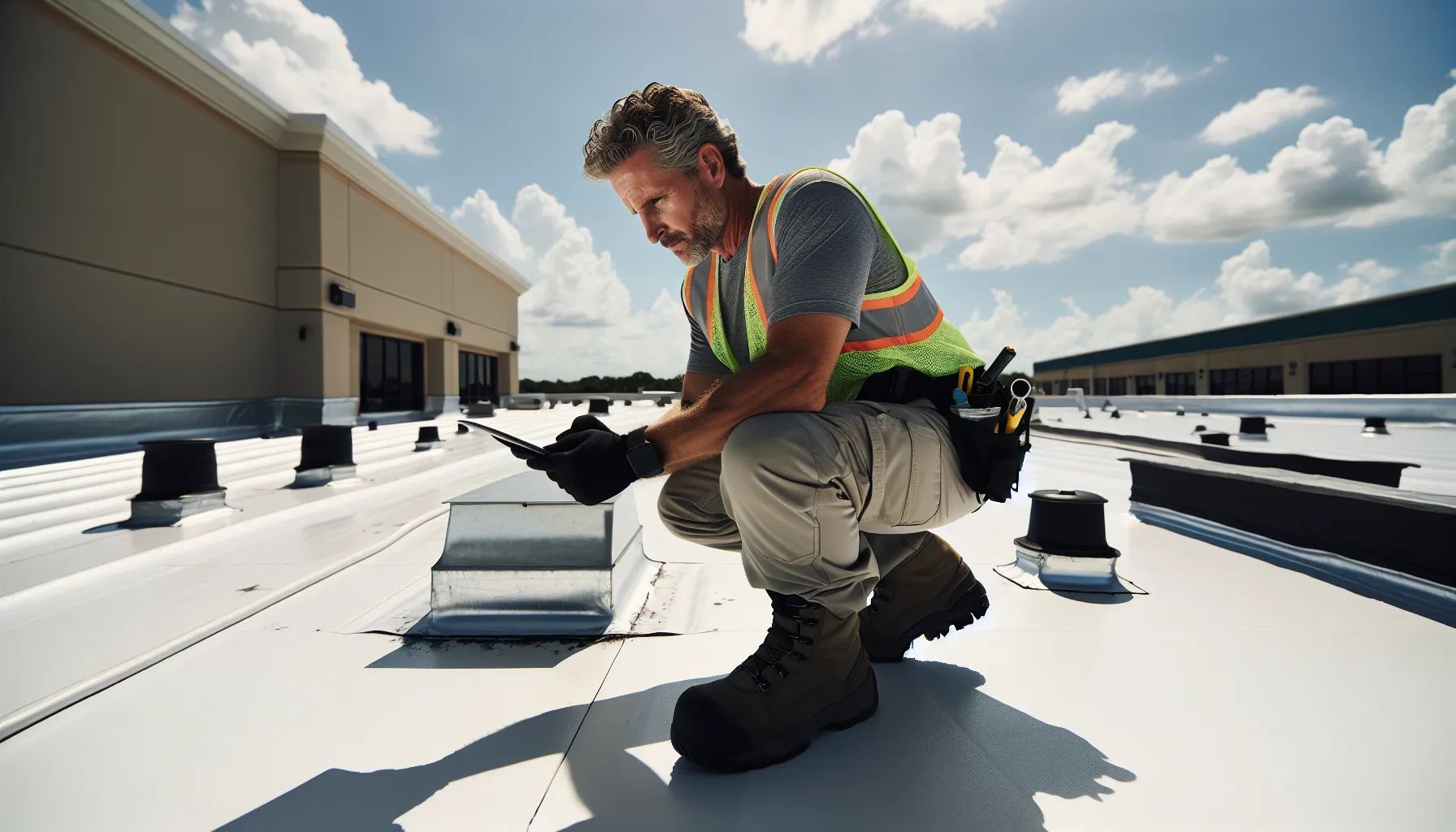
Last year, we worked with a warehouse owner in Tampa who discovered a small leak during a routine commercial roof inspection. The repair cost? Just $800. If he'd waited another six months, that same leak would've caused over $45,000 in water damage to inventory and structural repairs.
We've seen this scenario play out dozens of times across the St. Petersburg area. Property owners who skip regular roof inspections end up paying 5-10 times more in emergency repairs and lost business revenue.
In this guide, we'll show you exactly what a commercial roof inspection includes, how often you need one, and what red flags to watch for. You'll learn the specific questions to ask inspectors, typical costs you can expect in Florida, and how to prevent the drainage issues that plague flat roofs during our intense summer storms.
Let's get started.
What Is a Commercial Roof Inspection?

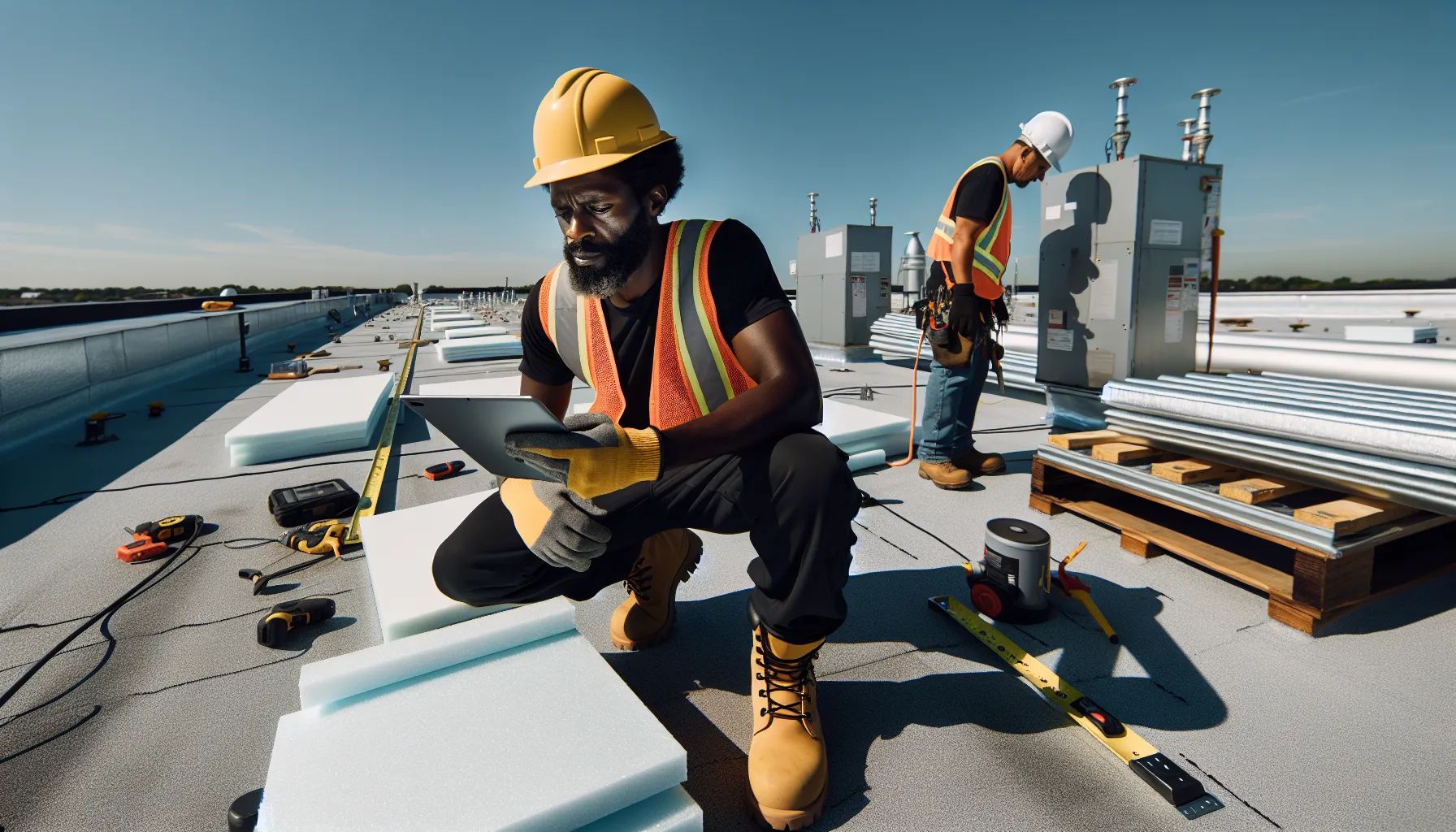
A commercial roof inspection is a systematic evaluation conducted by trained roofing professionals to assess your building's roof condition and identify problems before they become expensive emergencies.
Unlike residential inspections, commercial evaluations cover much larger surface areas and more complex roofing systems. We examine everything from membrane integrity to drainage performance.
There are three main types of commercial roof inspections:
Visual inspections involve walking the roof surface to check for obvious damage, wear patterns, and potential weak spots. This is the most common and cost-effective approach for routine maintenance.
Infrared imaging uses thermal cameras to detect trapped moisture beneath the roof membrane that you can't see with the naked eye. This technology is especially valuable for flat roofs common in the St. Petersburg area, where water intrusion often hides for months before causing visible damage.
Core sampling involves removing small sections of the roofing system to examine the layers underneath. We use this method when we suspect moisture damage or need to verify the exact roofing materials before recommending repairs.
Most commercial buildings in Florida have flat or low-slope roofs made from TPO, EPDM, modified bitumen, or built-up roofing systems. Each material requires specific inspection techniques and expertise.
During a thorough inspection, we document the roof's current condition with photos, measurements, and detailed notes. This creates a baseline for tracking deterioration over time and helps you budget for future repairs or replacement.
Why Regular Commercial Roof Inspections Are Critical
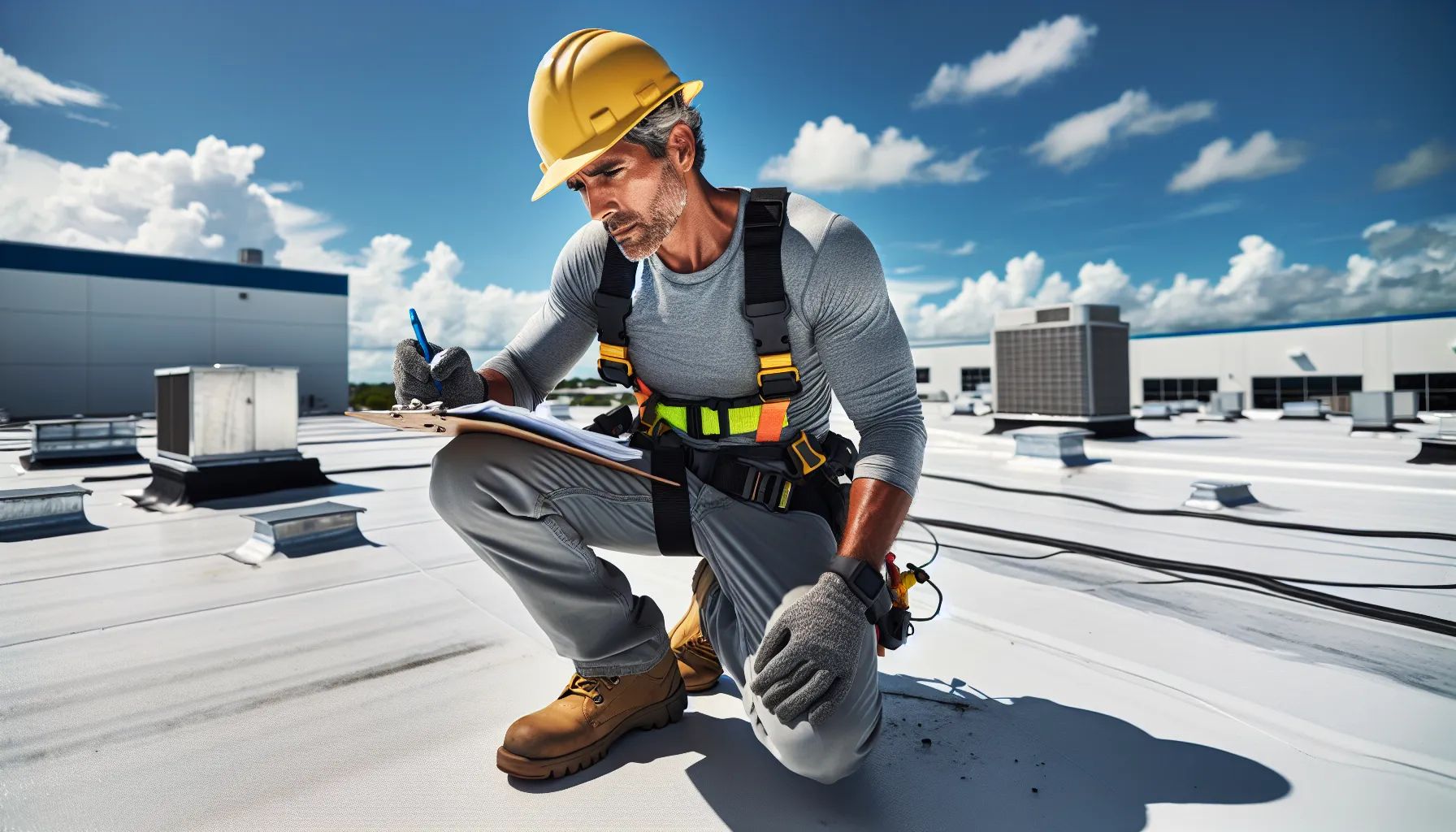
We've never met a property owner who regretted scheduling regular roof inspections. But we've met plenty who wished they'd started sooner.
Your commercial roof is your building's first line of defense against Florida's brutal weather. Without regular professional assessments, small problems multiply into disasters that shut down operations and drain bank accounts.
Preventing Costly Water Damage and Leaks
Water damage doesn't announce itself with warning signs. It starts silently.
A tiny crack in your roof membrane lets moisture seep into insulation layers. Over weeks and months, that trapped water spreads, creating the perfect environment for mold growth and structural decay.
By the time you notice ceiling stains or musty odors, the damage often extends far beyond the visible area. We recently inspected an office building in Clearwater where a small flashing failure caused $78,000 in interior damage to drywall, electrical systems, and tenant improvements.
Regular inspections catch these issues early. We look for:
- Cracked or blistered membrane surfaces
- Failed sealants around penetrations
- Loose or damaged flashing at roof edges and transitions
- Signs of previous repairs that didn't hold up
Early detection means repairs cost hundreds instead of thousands. More importantly, you avoid the business disruption that comes with emergency water damage restoration.
Extending Your Roof's Lifespan
Most commercial roofs in Florida last 15-25 years, depending on the material and maintenance history.
But here's what most property owners don't realize: proper maintenance can add 5-10 years to that lifespan. That's potentially $50,000-$150,000 in delayed replacement costs for a typical 10,000 square foot building.
We treat roofs like cars. Regular oil changes prevent engine failure. Regular inspections and minor repairs prevent premature roof failure.
During inspections, we identify and address:
- UV damage that makes membranes brittle and prone to cracking
- Loose seams that will tear during the next windstorm
- Clogged drains that create standing water
- Vegetation growth that damages roof surfaces
These small fixes take minutes to repair but add years to your roof's service life. We've seen well-maintained TPO roofs in the Tampa Bay area perform beautifully for 25+ years, while neglected roofs of the same material fail in under 15.
Maintaining Warranty Coverage
This one surprises property owners every time.
Most commercial roofing warranties require documented proof of regular inspections and maintenance. Miss your inspections? Your warranty becomes worthless.
We've seen manufacturers deny claims worth $40,000+ because the building owner couldn't provide inspection records. The roof failed due to a manufacturing defect, but without proof of proper maintenance, the manufacturer walked away.
Warranty requirements typically include:
- Semi-annual inspections by qualified professionals
- Immediate repairs of any identified problems
- Detailed documentation with photos and written reports
- Proper maintenance of drainage systems
We provide all the documentation you need to maintain warranty compliance. Our inspection reports include timestamps, detailed findings, and recommendations that satisfy manufacturer requirements.
Skipping inspections doesn't just risk warranty coverage. It also complicates insurance claims after storm damage. Insurance adjusters look for maintenance records when evaluating claims, and poor maintenance history can reduce or eliminate coverage.
How Often Should You Schedule a Commercial Roof Inspection?
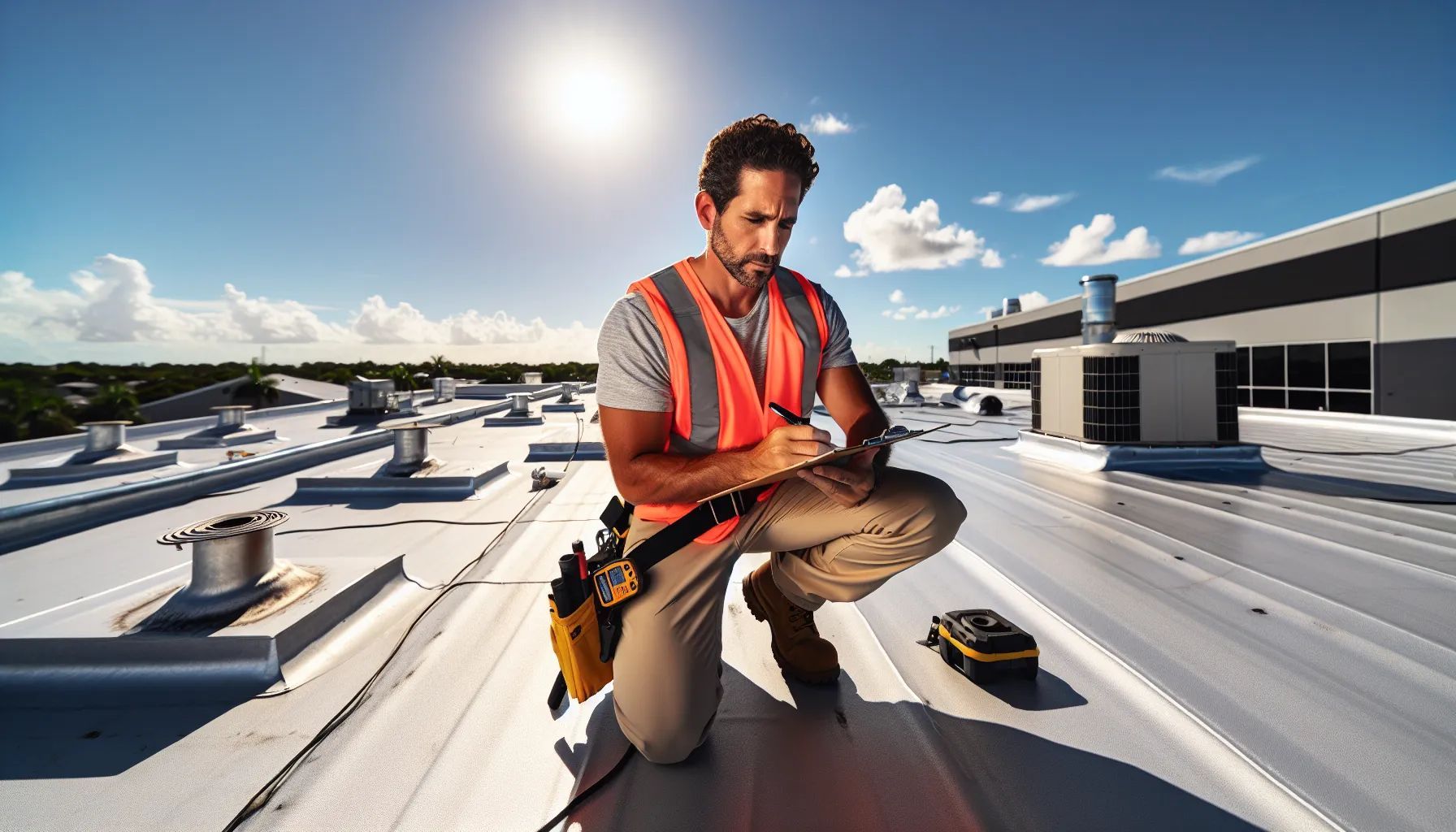
We recommend twice-yearly inspections for all commercial buildings in the St. Petersburg area. Schedule one in spring before hurricane season and another in fall after the summer storms pass.
This timing isn't arbitrary. Florida's weather patterns create specific risks at different times of year.
Spring inspections catch winter damage and prepare your roof for the intense UV exposure and afternoon thunderstorms that define our summers. We check drainage systems to ensure they can handle Florida's notorious heavy rainfall.
Fall inspections assess hurricane season damage and identify repairs needed before cooler, drier weather sets in. Even if your building didn't take a direct hit, strong winds and flying debris often cause damage you won't notice from the ground.
Beyond the regular schedule, call for immediate inspections after:
Major weather events: After any hurricane, tropical storm, or severe thunderstorm with winds over 50 mph, schedule an inspection within a week. Wind damage isn't always obvious but can compromise your roof's integrity.
Hail storms: Even small hail can damage roof membranes. We check for bruising, punctures, and granule loss that accelerates deterioration.
Interior water signs: If you notice ceiling stains, dripping water, or musty odors, don't wait for your next scheduled inspection. These symptoms indicate active leaks that worsen rapidly.
Older roofs need more frequent attention. If your commercial roof is over 15 years old, consider quarterly inspections. The increased frequency helps you catch age-related problems early and plan for eventual replacement.
Buildings with rooftop equipment, HVAC units, solar panels, exhaust fans, benefit from more frequent inspections. The equipment creates additional penetrations and stress points where leaks commonly develop.
Some property managers ask if they can inspect roofs themselves between professional evaluations. The answer is yes, with caution. You can visually check from the ground for obvious issues like storm debris or sagging areas. But never walk on commercial roofs without proper safety equipment and training. You risk both personal injury and roof damage.
We offer inspection service agreements that lock in your twice-yearly schedule and provide priority response for storm damage assessments. These agreements ensure you never miss critical inspections and often include small repairs at reduced rates.
What Does a Professional Commercial Roof Inspection Include?
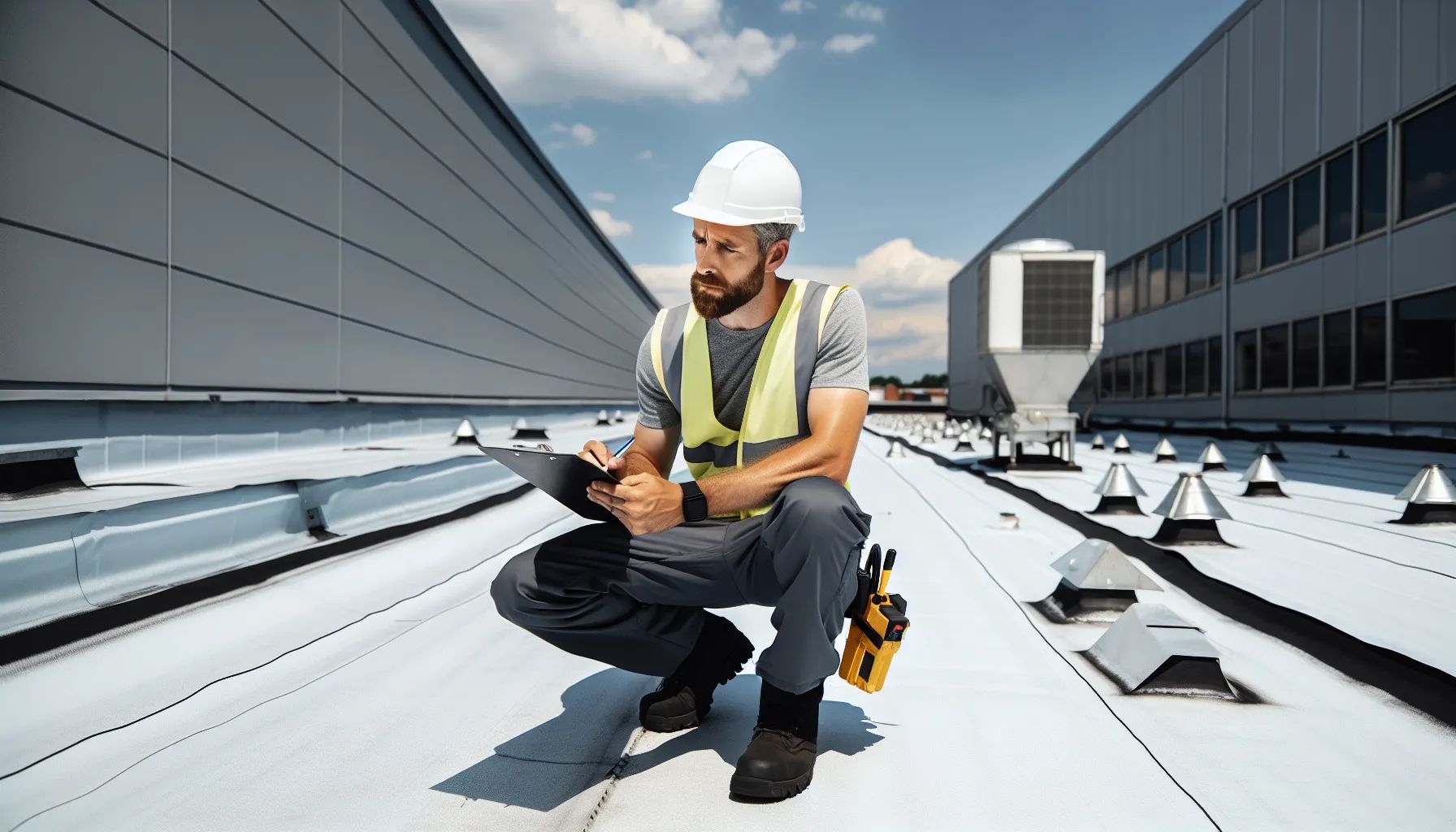
A thorough commercial roof inspection takes 1-3 hours, depending on your building's size and complexity. We follow a systematic process that covers every potential failure point.
Here's exactly what we examine and why it matters.
Exterior Roof Examination
We start by walking the entire roof surface, looking for damage and wear patterns that indicate current or future problems.
Roof membrane condition: We check for cracks, blisters, punctures, and surface erosion. TPO and EPDM membranes show different wear patterns, so we adjust our evaluation based on your roofing material.
Blisters form when moisture gets trapped between roofing layers. Small blisters aren't immediately dangerous, but we monitor them because they often expand and rupture.
Cracks typically appear along seams or in high-stress areas. Even hairline cracks allow water infiltration during heavy rain.
Seams and joints: These are the most common leak locations on single-ply membrane roofs. We examine every seam for proper adhesion, checking for separation, lifting edges, or failed heat-welds.
On older roofs, we pay special attention to areas with previous repairs. Patch jobs sometimes fail before the surrounding original membrane.
Flashing integrity: Flashing seals transitions where the roof meets walls, equipment, penetrations, and edges. We check metal flashing for rust, separation, and proper fastening. We examine membrane flashing for tears and lost adhesion.
Edge flashing deserves extra scrutiny. It takes the most wind stress and often shows damage first after storms.
Roof penetrations: Every pipe, vent, HVAC unit support, and equipment curb creates a potential leak point. We inspect the seals around each penetration, looking for gaps, dried-out caulking, and damaged boots.
We also check mechanical equipment for oil leaks or coolant spills that can damage certain roofing membranes.
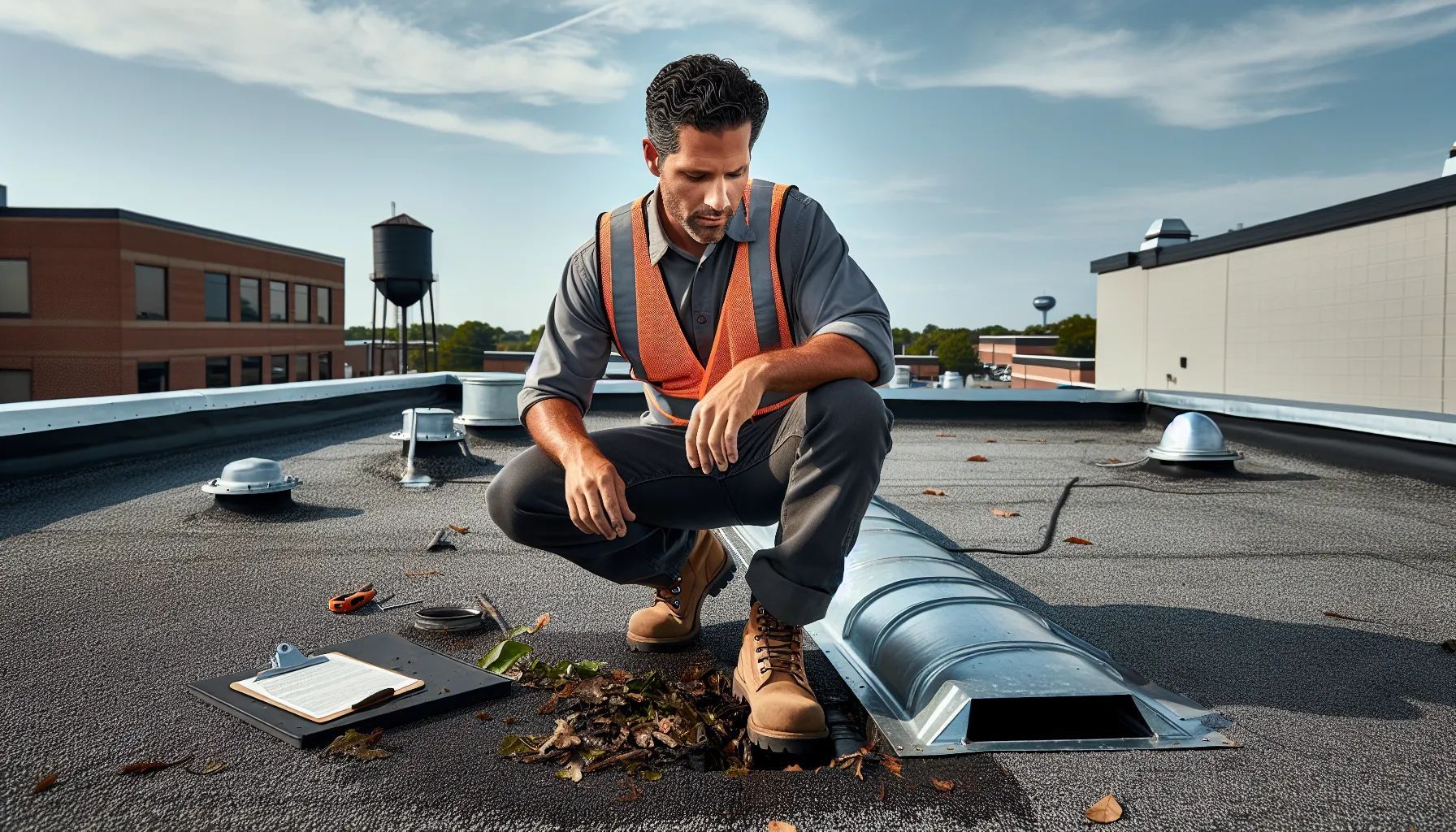
Surface debris: Leaves, branches, and other debris trap moisture against the roof surface and clog drainage systems. We note accumulation areas that need regular cleaning.
For difficult-to-access areas or roofs with safety concerns, we use drones equipped with high-resolution cameras. Drone inspections let us examine tall buildings and steep sections without risking inspector safety.
Infrared cameras help us identify moisture intrusion beneath the membrane surface. Wet insulation shows up as temperature differences on thermal images. This technology finds problems weeks or months before they become visible leaks.
Interior Inspection and Water Damage Assessment
What happens above the roof is only half the story. Interior inspections reveal whether water has already penetrated your building envelope.
We examine ceilings in top-floor spaces, looking for:
- Water stains (both fresh and old)
- Sagging or damaged ceiling tiles
- Visible mold or mildew
- Musty odors indicating hidden moisture
Attic and plenum spaces require special attention. We check insulation for compression, water damage, or mold growth. Wet insulation loses R-value and adds weight stress to roof decking.
We inspect structural supports and decking for rot, rust, or deterioration. Wood decking shows water damage through darkening, softness, and decay. Metal decking rusts when exposed to moisture.
Some water damage isn't obvious. We use moisture meters to detect elevated humidity levels in ceiling materials and insulation, even when no visible staining exists.
Drainage System Evaluation
Poor drainage causes more commercial roof failures in Florida than any other single factor.
Our flat roofs and intense rainfall create the perfect storm for water-related damage. An inspection isn't complete without thorough drainage assessment.
Slope and ponding water: We check for low spots where water collects. Standing water that remains more than 48 hours after rain indicates drainage problems.
Ponding water accelerates membrane deterioration, especially on TPO and PVC roofs. It also significantly increases roof weight and can lead to structural issues.
We use levels and visual observation to identify problem areas. Sometimes drainage issues develop over time as buildings settle or roof decking sags.
Gutters and downspouts: We verify that gutters are clear, properly pitched, and securely attached. We check downspouts for clogs and confirm they discharge away from the building foundation.
Roof drains and scuppers: Every drain should be clear of debris and properly secured. We test drain covers, sumps, and strainers. We verify that scuppers (overflow outlets) aren't blocked and can handle emergency drainage during extreme rainfall.
Clogged drains are surprisingly common. A single blocked drain can cause thousands of gallons of water to pond on your roof during a typical Florida thunderstorm.
Documentation and Reporting
We photograph everything we find, good and bad. Visual documentation creates a historical record of your roof's condition and proves valuable for warranty claims, insurance purposes, and future planning.
Our written reports include:
- Overall roof condition assessment
- Specific problem areas with location details
- Severity ratings for each identified issue
- Recommended repairs with priority levels
- Cost estimates for recommended work
- Timeline for addressing urgent issues
We rate problems as immediate (repair within days), near-term (repair within 3-6 months), or monitoring (check again at next inspection).
The report becomes part of your building's maintenance records. It helps you budget for repairs, schedule work appropriately, and demonstrate proper care to warranty providers and insurance companies.
We provide digital reports with embedded photos, GPS coordinates for problem locations, and sometimes thermal imaging results. This format makes it easy to share findings with building owners, facility managers, and repair contractors.
Common Problems Found During Commercial Roof Inspections
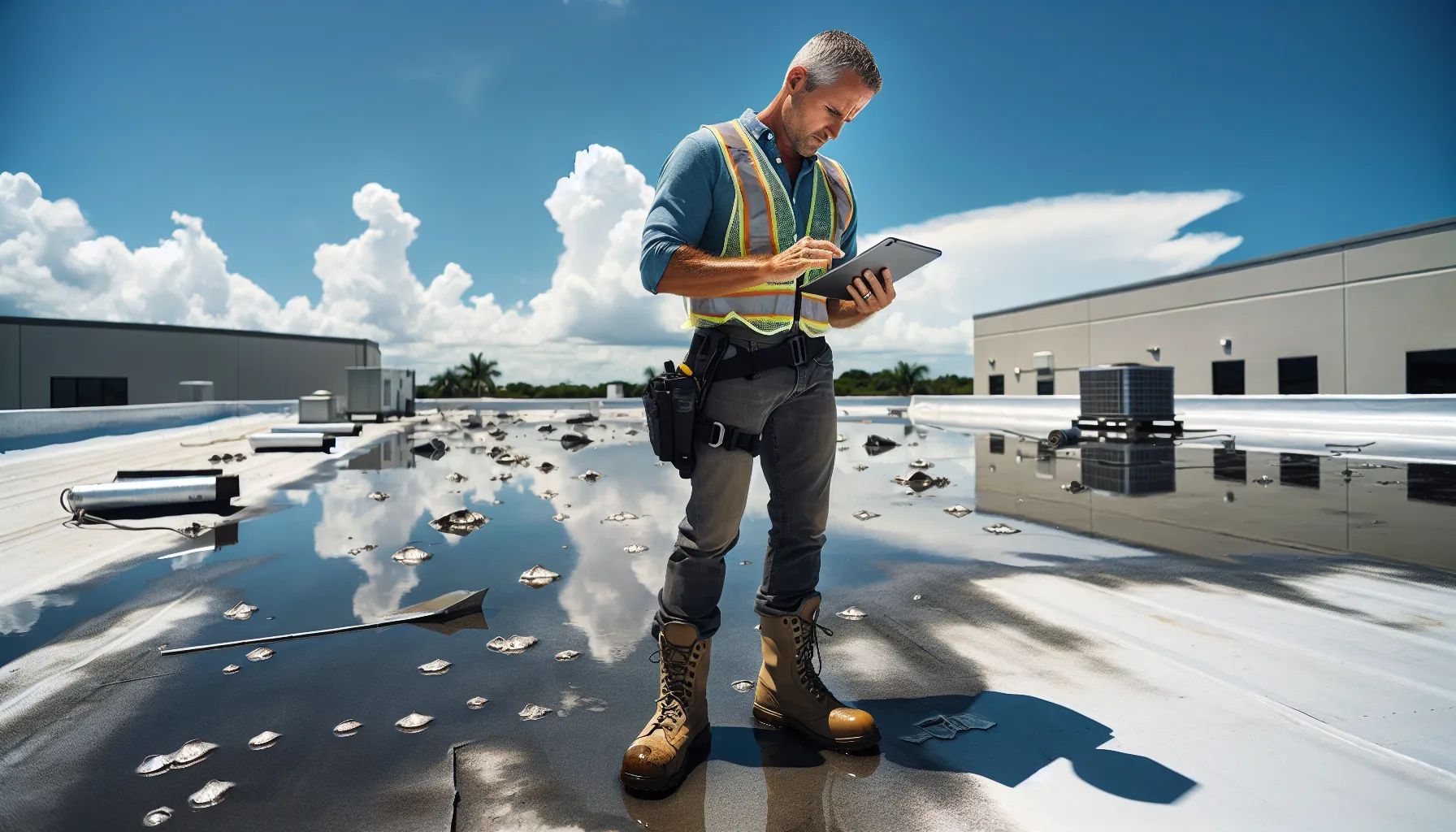
We've conducted thousands of commercial roof inspections across the Tampa Bay area. While every roof is unique, the same issues appear repeatedly.
Knowing what typically goes wrong helps property owners understand why inspections matter and what to watch for.
Ponding Water and Drainage Issues
This is the number one problem we find on commercial roofs in St. Petersburg.
Flat roofs aren't actually flat. They're designed with a slight slope (usually 1/4 inch per foot) to move water toward drains. But settling, structural deflection, and poor initial installation create low spots where water collects.
We see ponding water on roughly 60% of the commercial roofs we inspect. Most property owners don't realize it's happening because you can't see it from the ground.
Ponding water causes multiple problems:
Accelerated membrane deterioration: Standing water breaks down roofing materials faster than normal weathering. The constant moisture exposure causes blistering, loss of protective coatings, and eventual membrane failure.
Increased weight load: Water weighs 8.34 pounds per gallon. A shallow pond covering 100 square feet can add over 500 pounds to your roof structure. During heavy rain, that weight multiplies.
Algae and vegetation growth: Ponded areas develop algae, moss, and sometimes weeds. This growth damages membrane surfaces and makes the roof slippery and dangerous to walk on.
Freeze-thaw damage: While rare in Florida, occasional freezing temperatures cause ponded water to expand as ice, further damaging already-stressed membranes.
We address ponding water through targeted repairs like adding tapered insulation to improve slope or installing additional drains in problem areas. In severe cases, we recommend roof replacement with proper slope design.
Membrane Damage and Deterioration
Commercial roof membranes take a beating from Florida's intense UV radiation, temperature swings, and weather extremes.
Cracks and splits: These develop along seams, at stress points, and in areas with heavy foot traffic. Small cracks expand rapidly once water penetrates, especially during temperature fluctuations.
Blisters: Air or moisture trapped between roofing layers creates bubbles in the membrane surface. Small blisters (under 1 inch) usually aren't urgent. Large blisters often rupture during hot weather, creating instant leaks.
Punctures: Dropped tools, hail, falling branches, and foot traffic damage membranes. We find punctures near HVAC equipment where maintenance workers access the roof frequently.
UV damage: Florida sun is brutal on roofing materials. Over years, UV radiation breaks down membrane polymers, causing brittleness, shrinkage, and surface cracking. Light-colored membranes resist UV damage better than dark ones.
Seam separation: The seams where membrane sections join are potential weak points. Heat-welded seams can fail if not properly installed. Adhesive-bonded seams deteriorate over time. We test seam integrity by trying to lift edges with a probe.
Shrinkage: Some roofing materials shrink as they age, pulling away from edges, penetrations, and seams. This creates stress that causes tearing and separation.
Membrane damage ranges from minor surface wear to complete failure requiring immediate replacement. Our inspections assess damage severity and recommend appropriate responses.
Storm and Wind Damage
Hurricane season brings obvious roof damage, but we also see plenty of wind-related problems from summer thunderstorms that produce brief but powerful gusts.
Lifted or torn membranes: Wind gets under loose edges and flashing, peeling back sections of roofing membrane. We've seen entire roof sections torn away during hurricanes.
Even winds below hurricane strength can damage poorly fastened roofs. That's why proper edge detail and fastening are critical.
Blown-off coping caps: Metal caps that cover parapet walls often blow off during storms. This exposes wall tops and roof edges to water infiltration.
Damaged flashing: Wind tears flashing away from walls and penetrations. Flying debris impacts and damages flashing, creating immediate leak points.
Missing or damaged roof equipment: Wind can shift HVAC units, tear off vent covers, and damage roof-mounted equipment. Movement stresses the penetration seals and causes leaks.
Impact damage: Flying debris, tree branches, patio furniture, building materials from neighboring properties, punctures membranes and damages roof surfaces.
Hail damage: While less common in coastal Florida, hail storms do occur. Hail creates bruising, punctures, and granule loss on certain roof types. Damage might not leak immediately but shortens roof lifespan.
After major storms, we prioritize emergency inspections to identify damage before the next rain event. Temporary repairs prevent additional water damage while permanent fixes are scheduled.
Other common problems include vegetation growth (especially in ponded areas and along roof edges), deteriorated sealants around penetrations, clogged gutters and drains, and damage from wildlife like raccoons and birds.
Signs Your Commercial Roof Needs an Immediate Inspection
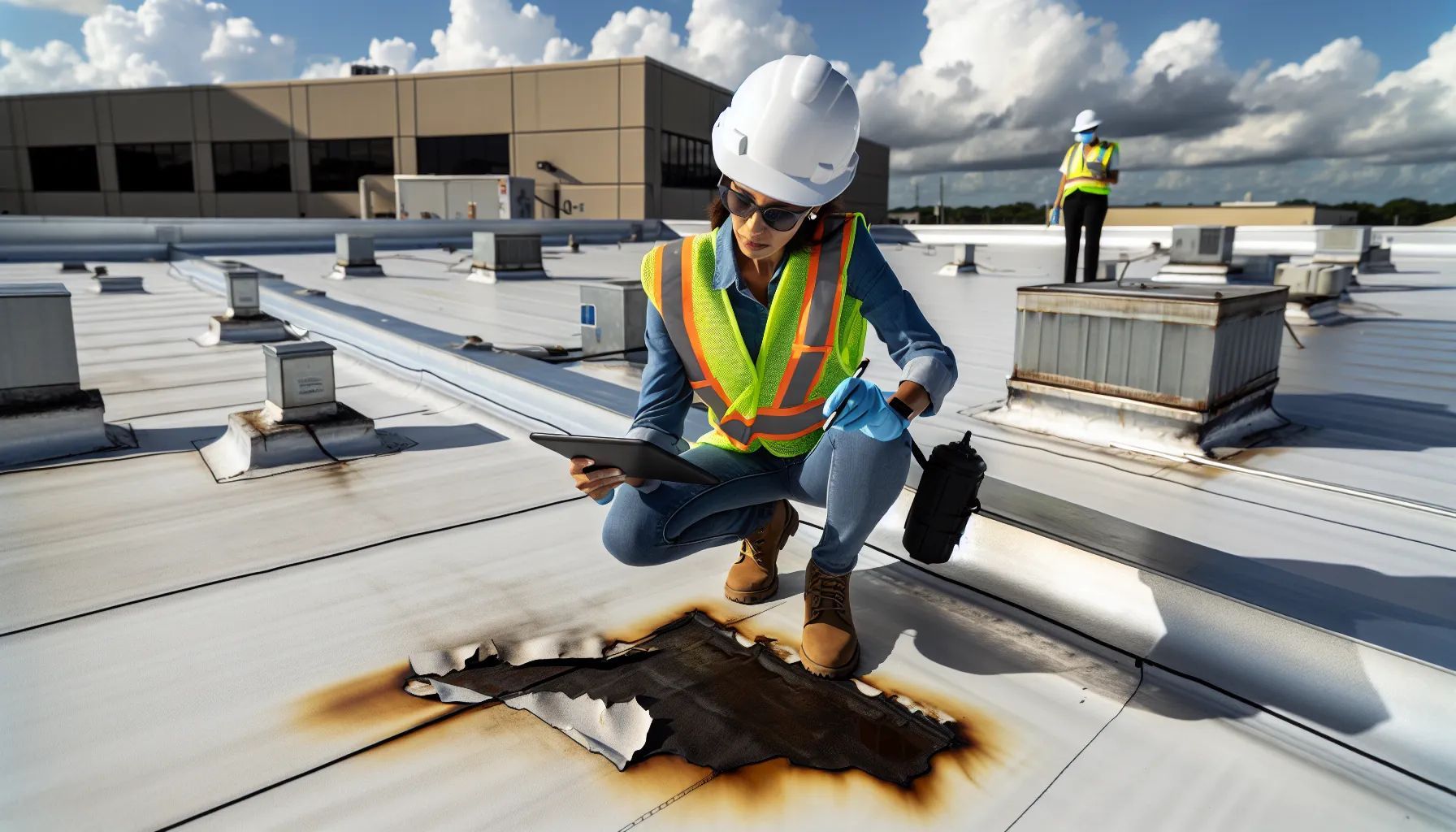
Don't wait for your scheduled inspection if you notice any of these warning signs. They indicate active or imminent roof failure.
Visible water leaks: This one's obvious but critical. Water dripping from ceilings or running down walls means your roof has already failed. Call immediately.
Remember that leaks don't always appear directly below the roof damage. Water can travel along structural members, insulation, or ceiling spaces before showing up inside.
Ceiling stains: Brown or yellow stains on ceiling tiles or drywall indicate water infiltration. Even old-looking stains deserve attention because they show areas prone to leaking.
Fresh stains that appear or expand after rain signal active leaks. Older stains might indicate previous leaks that could reactivate.
Sagging ceiling areas: Sections of ceiling that bow downward suggest water-saturated insulation or structural damage above. This is an emergency. Saturated materials can collapse without warning.
Musty odors: Persistent musty or moldy smells in top-floor spaces often indicate hidden moisture problems. You might have leaks that haven't produced visible water damage yet.
Increased energy costs: A sudden spike in heating or cooling expenses can signal wet or damaged insulation that's lost its R-value. Roof leaks often damage insulation before creating obvious interior water problems.
Visible roof damage from the ground: If you can see obvious problems, torn membrane, missing materials, sagging areas, from ground level, the actual damage is probably worse than it appears.
Interior mold growth: Mold on walls or ceilings near the roofline indicates moisture problems that require immediate investigation.
Debris accumulation: Large amounts of leaves, branches, or other debris visible from the ground suggest clogged drainage that can lead to ponding and leaks.
Recent severe weather: After hurricanes, tropical storms, or severe thunderstorms, schedule an inspection even if you don't see obvious problems. Wind and hail damage might not be visible from the ground.
We offer emergency inspection services for St. Petersburg area property owners who need immediate roof assessment. During active leaks, we can perform temporary repairs to minimize damage while scheduling comprehensive evaluation and permanent fixes.
How to Choose a Qualified Commercial Roofing Inspector
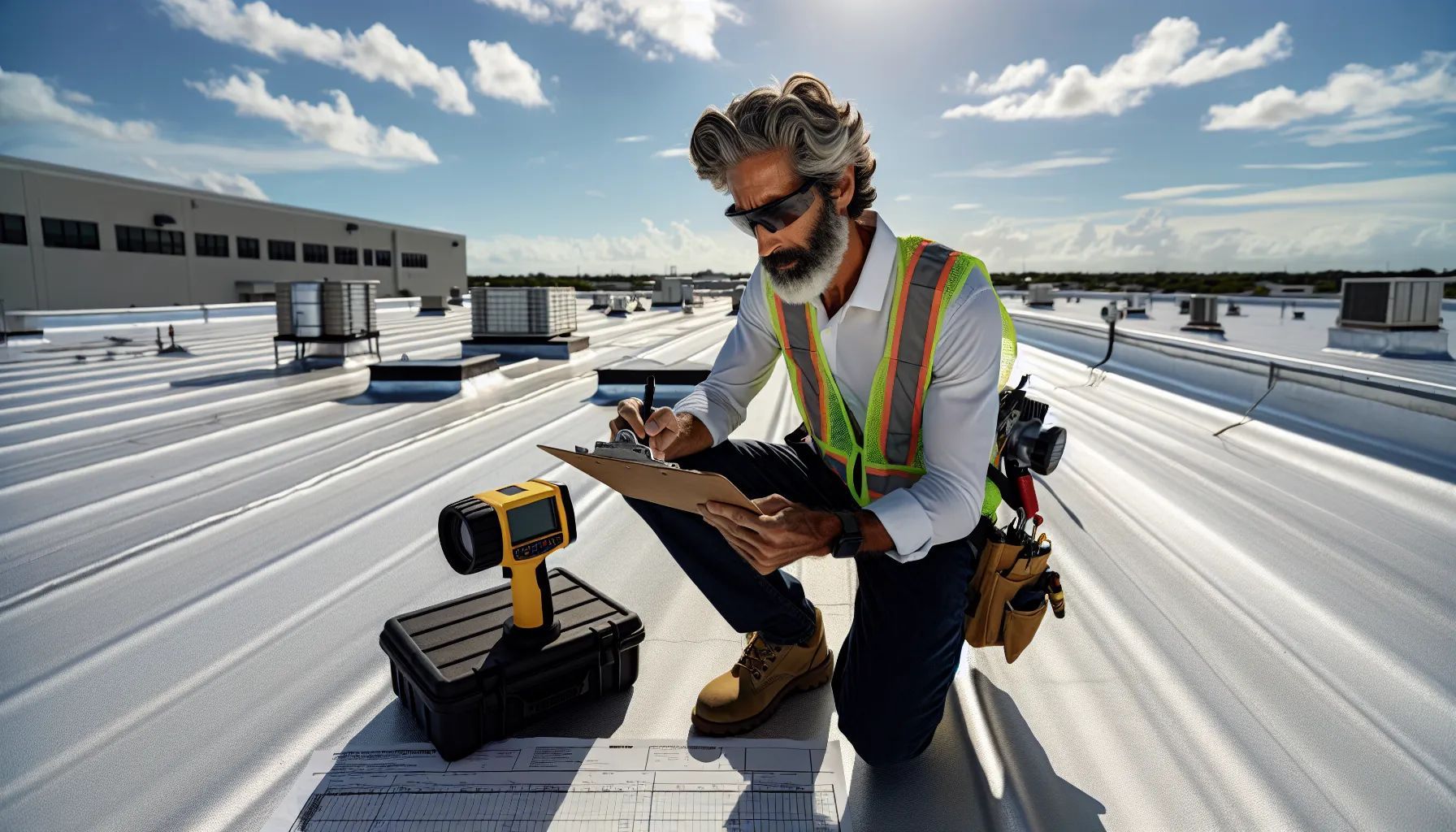
Not all roof inspectors deliver the same value. The inspector you choose directly impacts the quality of information you receive and the recommendations you'll follow.
Here's what to look for when selecting a commercial roofing inspector in the Tampa Bay area.
Licensing and Insurance Requirements
Florida requires roofing contractors to hold proper state licensing. Verify that any inspector carries a current license before allowing them on your property.
For commercial work, look for contractors with the appropriate classification. We carry full licensing for commercial roofing in Florida.
Insurance matters just as much as licensing. The inspector should carry:
General liability insurance: Protects you if the inspector accidentally damages your building during the inspection. Minimum coverage should be $1 million per occurrence.
Workers' compensation: Covers the inspector if they're injured on your property. Don't accept certificates of exemption for commercial work. Legitimate companies carry workers' comp for all employees.
Commercial auto insurance: Covers vehicles used to transport equipment and staff to your property.
Ask for certificates of insurance before scheduling inspection work. We provide current certificates to all clients.
Be wary of inspectors who can't produce licensing and insurance documentation. Using unlicensed contractors creates liability exposure and often voids manufacturer warranties.
Experience with Your Roof Type
Different commercial roofing systems require different expertise. An inspector experienced with built-up roofs might miss problems on TPO membranes.
When evaluating inspectors, ask:
- How long have you worked with [your roof type]?
- How many inspections of this type do you perform annually?
- Can you provide references for similar buildings?f
We've worked with every major commercial roofing system used in Florida: TPO, EPDM, PVC, modified bitumen, built-up, and metal roofing. Our inspectors receive ongoing training on new materials and installation methods.
Local experience matters too. Florida roofs face unique challenges, intense UV radiation, high humidity, hurricane-force winds, and heavy rainfall. Inspectors from other regions might not recognize Florida-specific problems.
Check references: Ask for contact information from three recent clients with similar buildings. Call them. Ask about the inspector's thoroughness, report quality, and accuracy of repair recommendations.
Review sample reports: Request a sample inspection report (with identifying information removed). The report should be detailed, clearly written, and include photos. Vague reports that skip specific recommendations aren't worth the paper they're printed on.
Verify manufacturer relationships: Some manufacturers require certified inspectors for warranty work. If maintaining warranty coverage matters to you, confirm the inspector holds necessary certifications.
Avoid conflicts of interest: Some companies offer free inspections, then pressure you to buy expensive repairs or replacement. We believe in honest assessments. Sometimes roofs just need minor maintenance, and we'll tell you that.
Look for technology use: Inspectors who use drones, infrared cameras, and moisture meters provide more comprehensive assessments than those relying only on visual observation.
The right inspector becomes a long-term partner in protecting your building investment. Choose based on expertise and integrity, not just the lowest price.
The Cost of Commercial Roof Inspections
Commercial roof inspection costs vary based on building size, roof complexity, access difficulty, and inspection methods used.
For basic visual inspections in the St. Petersburg area, expect to pay $300-$600 for buildings under 10,000 square feet. Larger buildings cost more, typically $500-$1,200 for structures up to 50,000 square feet.
These prices cover thorough visual examination of exterior roof surfaces, interior spaces, and drainage systems, plus a detailed written report with photos and recommendations.
Advanced inspection methods cost more:
Infrared thermography: Adds $400-$800 to inspection costs but reveals moisture problems invisible to the naked eye. We recommend thermal imaging for buildings with suspected leaks or roofs over 15 years old.
Core sampling: Costs $150-$300 per core sample. We typically take 3-5 samples when investigating moisture intrusion or verifying roof composition. This destructive testing method provides definitive information about what's happening beneath the surface.
Drone inspection: Adds $200-$500 depending on building height and complexity. Drones access difficult areas safely and provide excellent documentation.
Several factors increase inspection costs:
Building height: Taller buildings require more safety equipment and take longer to access.
Roof access: Buildings without permanent roof access require ladders or lifts, increasing labor time.
Multiple roof levels: Buildings with different roof heights or complex configurations take longer to inspect thoroughly.
Rooftop equipment: Dense HVAC installations or solar panel arrays slow inspection progress and increase complexity.
Previous damage: If you need inspection specifically to document storm damage for insurance purposes, expect higher costs due to the detailed documentation required.
Many inspectors, including us, offer service agreement discounts. Committing to twice-yearly inspections typically reduces per-inspection costs by 15-25%.
Emergency inspections cost more than scheduled work. We charge premium rates for after-hours or storm-response inspections when demand is high.
Some property owners balk at inspection costs. But consider the alternative: we recently found a minor flashing issue during a $450 inspection. The repair cost $600. If left undiscovered for another six months, that same problem would've caused an estimated $15,000 in water damage and lost rent.
Inspection costs are cheap insurance compared to emergency repairs, business interruption, and premature roof replacement.
Beware of inspectors offering unusually low prices. Quality inspections take time and expertise. Companies charging $100-$200 for commercial building inspections either rush through the process or use inspections as loss leaders to sell unnecessary repairs.
Get detailed pricing upfront. We provide written estimates that specify exactly what's included, what additional services cost, and what you'll receive in the final report.
What Happens After Your Commercial Roof Inspection?
The inspection itself is just the beginning. The real value comes from how you respond to the findings.
Within 2-3 business days after completing our inspection, we deliver a comprehensive written report. The timeline might be longer if we used infrared imaging or core sampling that requires additional analysis.
Our reports organize findings by priority level:
Immediate action items: Problems that pose imminent risk of leaks or damage. These require repairs within days or weeks at most. Examples include active leaks, severely damaged flashing, or structural concerns.
Near-term repairs: Issues that aren't emergency-level but will worsen significantly if ignored for 3-6 months. This category includes minor membrane damage, developing drainage problems, and deteriorating sealants.
Monitoring items: Minor concerns that don't require immediate repair but should be checked at the next inspection. Small blisters, areas of UV wear, and minor seam separation often fall here.
Maintenance recommendations: General upkeep tasks like clearing debris, cleaning drains, or trimming nearby vegetation.
Each item includes photos showing the exact location and nature of the problem. We provide cost estimates for recommended repairs so you can budget appropriately.
For urgent issues, we can often schedule repairs immediately. We keep common materials in stock and can handle most emergency repairs within 24-48 hours.
For non-urgent work, you have time to plan and budget. Some property owners prefer to bundle multiple minor repairs into a single service call to reduce mobilization costs.
Here's what to do with your inspection report:
Address urgent items first: Don't delay on immediate-priority repairs. The cost and damage only increase with time.
Budget for near-term repairs: Add these expenses to your next quarter's maintenance budget. Waiting until the next inspection could turn minor issues into major problems.
File the report: Keep inspection reports in your building maintenance records. You'll need this documentation for warranty claims, insurance purposes, and future roof planning.
Share with stakeholders: Building owners, property managers, and facility directors should all review inspection findings. Transparency prevents surprises when repair costs come due.
Schedule follow-up: Book your next scheduled inspection before you forget. We send reminders, but proactive scheduling ensures you maintain the twice-yearly rhythm.
Some findings might surprise you. Property owners sometimes discover their "10-year-old" roof is actually 20 years old, or that previous repairs weren't done correctly. We deliver honest assessments, even when the news isn't what you want to hear.
If our inspection reveals significant problems, we'll discuss options ranging from targeted repairs to partial roof replacement to full replacement. We help you understand the cost-benefit analysis of each approach based on your roof's age, condition, and your building plans.
For buildings with ongoing issues, we might recommend quarterly inspections or installing roof moisture monitoring systems that provide continuous leak detection.
The most successful property owners treat inspection reports as roadmaps for roof management. They address issues systematically, maintain documentation, and build relationships with trusted roofing professionals who understand their buildings' unique needs.
Conclusion
Commercial roof inspections aren't optional maintenance, they're essential protection for your building investment and business operations.
The property owners who avoid costly surprises are the ones who schedule regular inspections, address problems promptly, and maintain detailed records.
We've seen the difference that proactive roof management makes. Buildings with twice-yearly inspections rarely experience emergency failures. Their roofs last years longer. And their owners sleep better knowing they won't face six-figure repair bills or business interruptions from water damage.
Your next step is simple: schedule a comprehensive commercial roof inspection if you haven't had one in the past six months.
Contact us today to schedule your commercial roof inspection in the St. Petersburg area. We'll assess your roof's current condition, identify any problems, and provide detailed recommendations with transparent pricing. Our inspections include advanced technology like infrared imaging when needed, thorough documentation, and honest advice about whether you need repairs or just routine maintenance.
Don't wait until you see ceiling stains or water dripping into your building. By then, the damage, and the cost, have already multiplied.
Let us help you protect your property with professional inspection services backed by years of Florida commercial roofing experience. We understand the unique challenges that St. Petersburg roofs face, and we know how to keep your building dry and your business running.
How often should a commercial roof inspection be performed?
Commercial roofs should be inspected twice yearly—once in spring before hurricane season and again in fall afterward. Buildings with roofs over 15 years old or extensive rooftop equipment benefit from quarterly inspections to catch age-related issues early.
What is the average cost of a commercial roof inspection?
Basic commercial roof inspections typically cost $300-$600 for buildings under 10,000 square feet and $500-$1,200 for structures up to 50,000 square feet. Advanced methods like infrared thermography add $400-$800 to identify hidden moisture problems.
What does a commercial roof inspection include?
A thorough commercial roof inspection examines membrane condition, seams and joints, flashing integrity, roof penetrations, drainage systems, and interior spaces for water damage. Inspectors document findings with photos and provide detailed reports with prioritized repair recommendations.
Can I perform a commercial roof inspection myself?
While property owners can visually check for obvious issues from the ground, professional inspections are essential. Trained inspectors have the safety equipment, expertise to identify hidden problems, and technology like infrared cameras to detect moisture beneath membranes.
Why is ponding water a problem on commercial roofs?
Ponding water that remains over 48 hours accelerates membrane deterioration, adds significant weight stress to roof structures, promotes algae growth, and can cause freeze-thaw damage. It's the leading cause of commercial roof failures in Florida.
Will skipping roof inspections void my warranty?
Yes, most commercial roofing warranties require documented proof of regular inspections and maintenance. Without inspection records, manufacturers can deny claims worth tens of thousands of dollars, even for legitimate manufacturing defects or material failures.