Commercial Metal Roof Repair: Complete Guide for Florida Business Owners
If you own a commercial building in the St. Petersburg area, you know metal roofs take a beating from Florida's intense sun, hurricanes, and salt air. When something goes wrong, a leak, corrosion, or wind damage, it can shut down operations, damage inventory, and cost you thousands in repairs if left unchecked.
We've helped dozens of Florida businesses fix commercial metal roof problems before they spiral out of control. From pinhole leaks that flood interiors to rust that eats through panels, we've seen it all, and we've documented exactly what works.
In this guide, we'll walk you through the most common commercial metal roof repair issues, show you how to spot damage early, and explain the repair process from inspection to completion. We'll also break down cost factors, preventive strategies, and how to choose a contractor who won't disappear after the first rain.
Let's get started.
Understanding Common Commercial Metal Roof Problems
Metal roofs are tough, but they're not invincible. Florida's weather puts unique stress on commercial buildings, and even well-installed systems develop problems over time.
Knowing what typically fails helps you catch issues before they become expensive disasters.
Leaks and Water Intrusion
Water intrusion is the number-one reason business owners call us for commercial metal roof repair. Leaks happen when panels separate, fasteners back out, or sealants fail.
Loose fasteners are especially common after hurricanes or tropical storms. The wind lifts panels just enough to break the seal, and rain finds its way inside.
Failed sealants are another frequent culprit. The caulk around vents, skylights, and seams degrades under UV exposure. Once it cracks, water seeps through.
You'll see water stains on ceilings, puddles on floors, or drips during heavy rain. Sometimes the entry point is far from where water appears inside, it can travel along beams or insulation before showing up.
Ignoring a small leak turns it into a big one. Water damages insulation, rusts metal decking, and promotes mold growth. What starts as a $500 repair can become a $15,000 headache.
Corrosion and Rust Damage
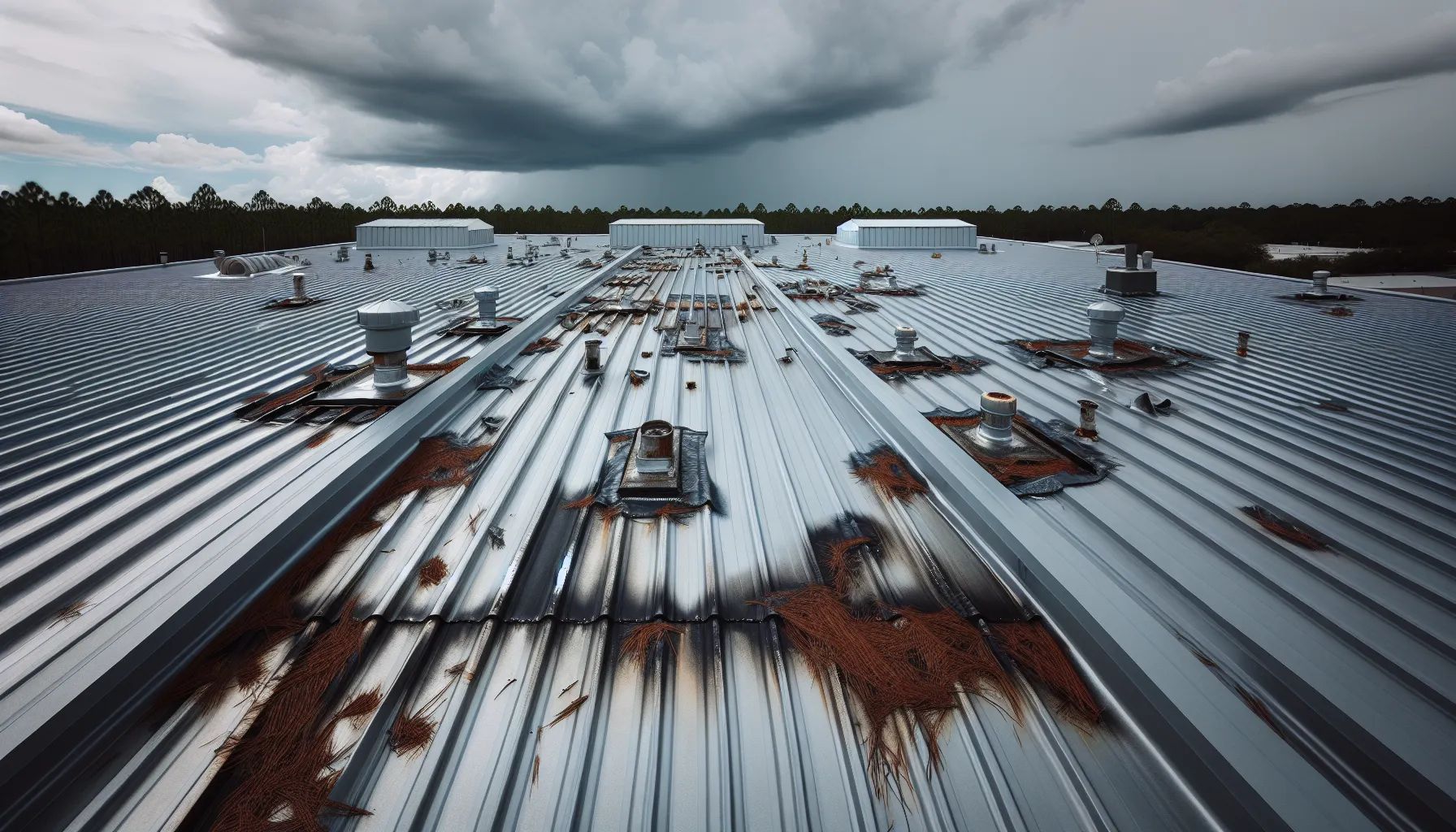
Rust doesn't develop overnight, but in Florida's humid, salty environment, it's a constant threat. Prolonged moisture exposure accelerates corrosion, especially where debris piles up or drainage fails.
Surface rust looks like discolored spots or streaks. It's cosmetic at first, but if you don't treat it, the rust eats deeper into the metal.
Severe corrosion compromises panel strength. We've seen panels so rusted they crumble when you apply pressure. At that point, you can't patch, you have to replace.
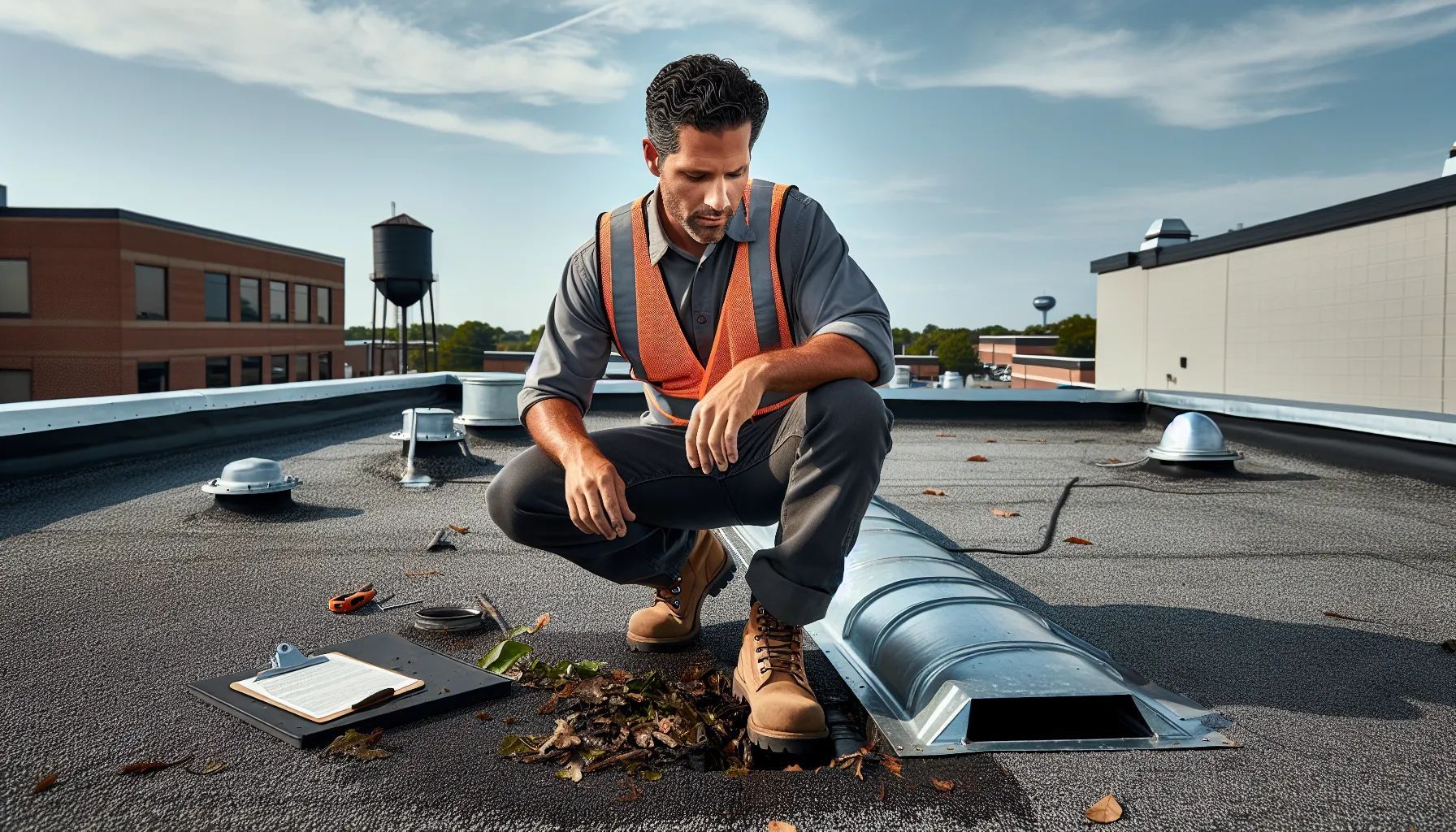
Debris accumulation is a major cause. Leaves, pine needles, and dirt trap moisture against the metal. That moisture sits there, corroding panels slowly but steadily.
Another common issue: dissimilar metals. If steel fasteners are used with aluminum panels, galvanic corrosion occurs. The metals react chemically, and one corrodes faster.
Regular cleaning and inspections catch rust early. Apply rust-inhibiting primers to affected areas, and you can stop the spread before replacement becomes necessary.
Storm and Wind Damage
Hurricanes and severe thunderstorms are facts of life in the Tampa Bay area. High winds can rip off entire panels, loosen fasteners across large sections, or bend metal out of shape.
Wind damage often starts at the roof edges or corners, where uplift forces are strongest. Once one panel lifts, neighboring panels become vulnerable.
Loose or missing fasteners create gaps where water enters. Even if panels stay in place, compromised fasteners let moisture through.
Debris impact is another storm-related problem. Flying branches, roof gravel, or even trash cans can puncture panels or dent them badly enough to disrupt water flow.
After a major storm, inspect your roof immediately. Document damage with photos for insurance claims, and cover exposed areas with tarps to prevent further water intrusion until repairs begin.
Waiting weeks to address storm damage compounds the problem. Water gets into insulation and structural components, and what could have been a straightforward panel replacement becomes a multi-phase restoration project.
Signs Your Commercial Metal Roof Needs Immediate Repair
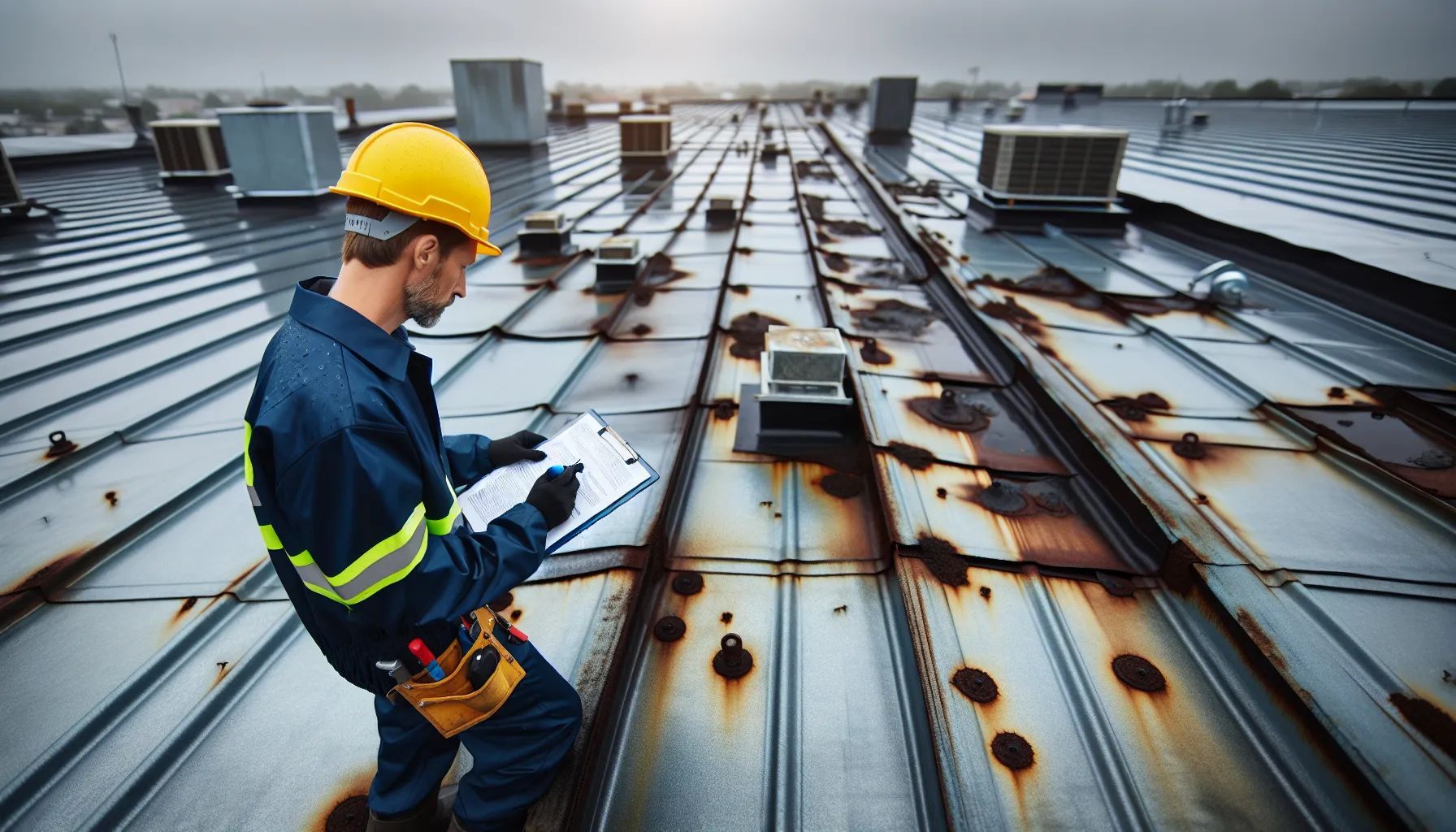
Catching damage early is the difference between a quick fix and a major expense. Some signs are obvious: others require a closer look.
Here's what to watch for inside and outside your building.
Interior Warning Signs
Water stains on ceilings or walls are red flags. Even small discolorations mean water is getting through the roof and soaking into drywall or insulation.
Mold growth is another critical indicator. If you smell musty odors or see black or green patches near the ceiling, moisture is present. Mold spreads fast in Florida's humidity, and it's a health hazard for employees and customers.
Visible light through the roof is a serious problem. If you can see daylight from inside the building, your roof has gaps large enough for rain to pour through.
Puddles or drips during rain are the most obvious signs. Track where water enters, but remember: the leak source may be several feet away from where water appears.
Increased energy bills can signal insulation damage. When water soaks insulation, it loses its thermal resistance. Your HVAC system works harder to maintain temperature, and your utility costs spike.
Don't wait to investigate interior signs. Water damage accelerates quickly, and delays increase repair costs exponentially.
Exterior Damage Indicators
Rust spots or discoloration on panels indicate corrosion. Check fasteners, seams, and areas where debris collects. Surface rust is manageable, but deep corrosion requires panel replacement.
Missing or loose panels are easy to spot from the ground. Look for gaps, bent edges, or panels that flutter in the wind.
Loose fasteners may not be visible without climbing onto the roof, but if you see screws or washers on the ground near your building, it's a sign fasteners are backing out.
Punctured or dented panels often result from storm debris or foot traffic. Even small punctures let water in, and dents disrupt drainage patterns, causing water to pool.
Debris accumulation in valleys or around roof penetrations traps moisture and accelerates corrosion. Regular cleaning prevents this, but if debris has been sitting for months, check underneath for rust.
Warped or buckled panels suggest structural issues or thermal expansion problems. Panels should lie flat: if they're bowing or rippling, the fastening system may have failed.
Schedule a professional inspection at least twice a year. Many problems aren't visible from the ground, and catching them early saves money.
How Metal Roof Damage Affects Your Business Operations
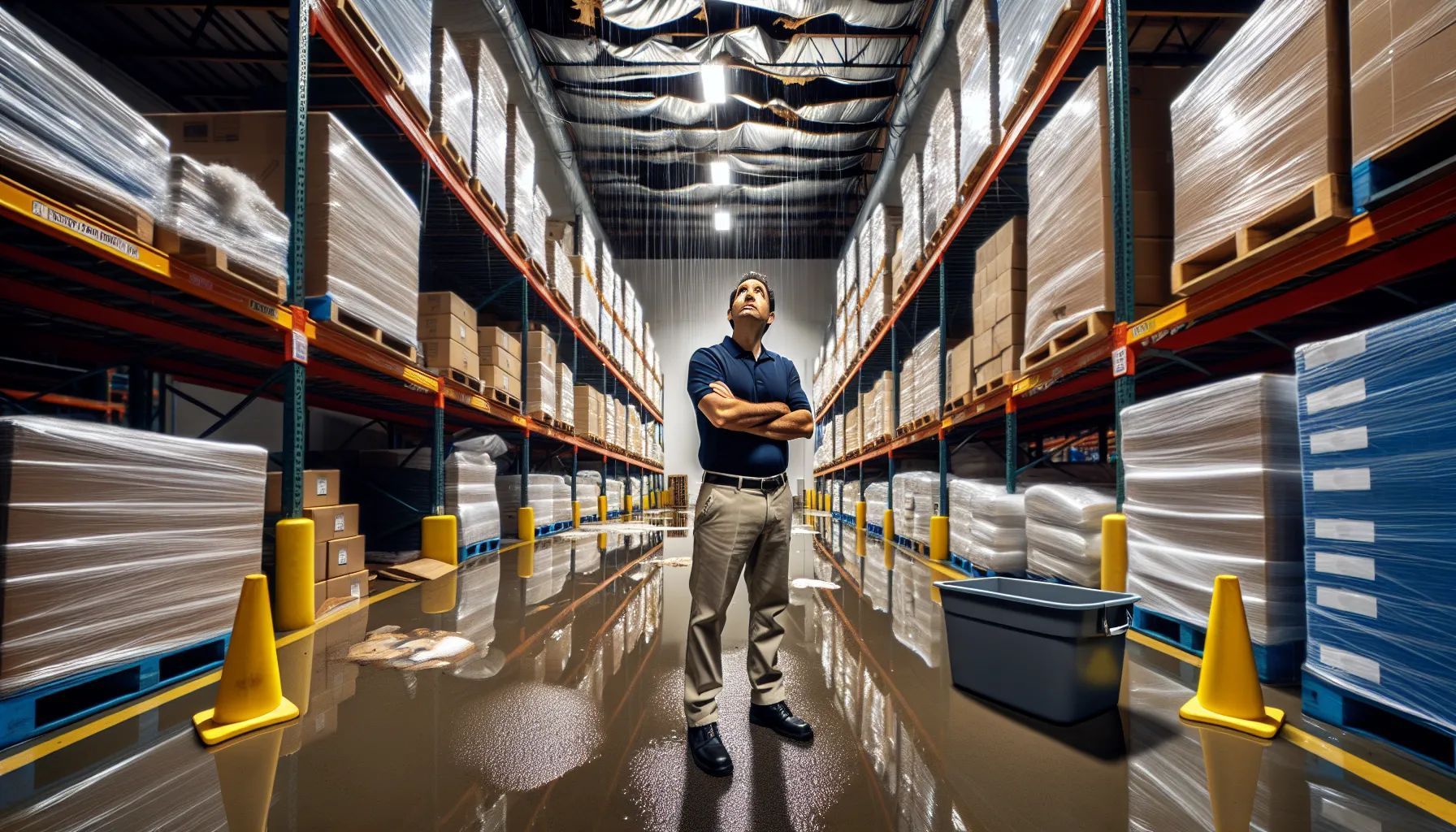
A damaged roof isn't just a maintenance issue, it's a business risk. Water intrusion can shut down operations, destroy inventory, and create safety hazards.
We've seen businesses lose thousands of dollars in a single afternoon because a roof leak went unaddressed.
Water damage to inventory is one of the most immediate consequences. If you store products, equipment, or documents inside, a leak can ruin them in minutes. Retail stores, warehouses, and offices are especially vulnerable.
Structural damage is a longer-term threat. Water that seeps into roof decking, beams, or walls weakens the building's frame. Repairs become more complex and expensive when structural components fail.
Safety hazards multiply when water enters a building. Wet floors cause slip-and-fall accidents. Electrical systems short out. In extreme cases, sections of ceiling collapse.
Business interruption is costly even if physical damage is minimal. If you have to close for repairs or move operations temporarily, you lose revenue. Customers go elsewhere, and employee productivity drops.
Insurance premiums can increase after roof-related claims. Insurers view poorly maintained roofs as high-risk. Multiple claims or evidence of deferred maintenance may result in higher rates or policy cancellations.
Employee morale suffers when working conditions deteriorate. Nobody wants to work under a leaking roof or in a space that smells like mold. Turnover increases, and recruiting becomes harder.
Reputation damage is harder to quantify but just as real. If customers see water stains, buckets catching drips, or visible roof damage, they question your professionalism and stability.
Proactive commercial metal roof repair prevents these cascading problems. Addressing issues immediately protects your operations, your people, and your bottom line.
The Commercial Metal Roof Repair Process
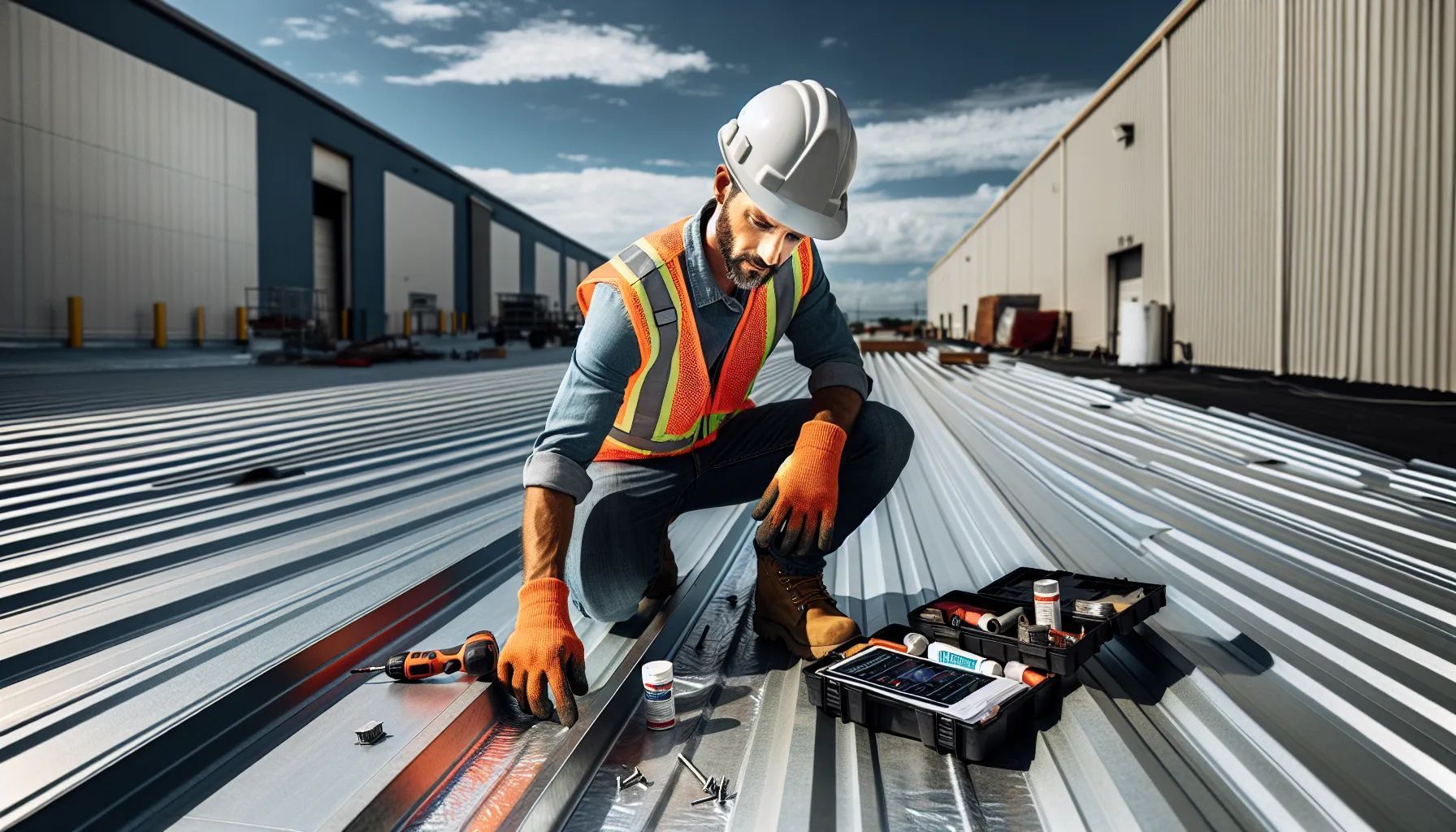
Understanding how repairs work helps you plan for downtime and budget accurately. The process varies depending on damage severity, but the steps are generally consistent.
Initial Inspection and Assessment
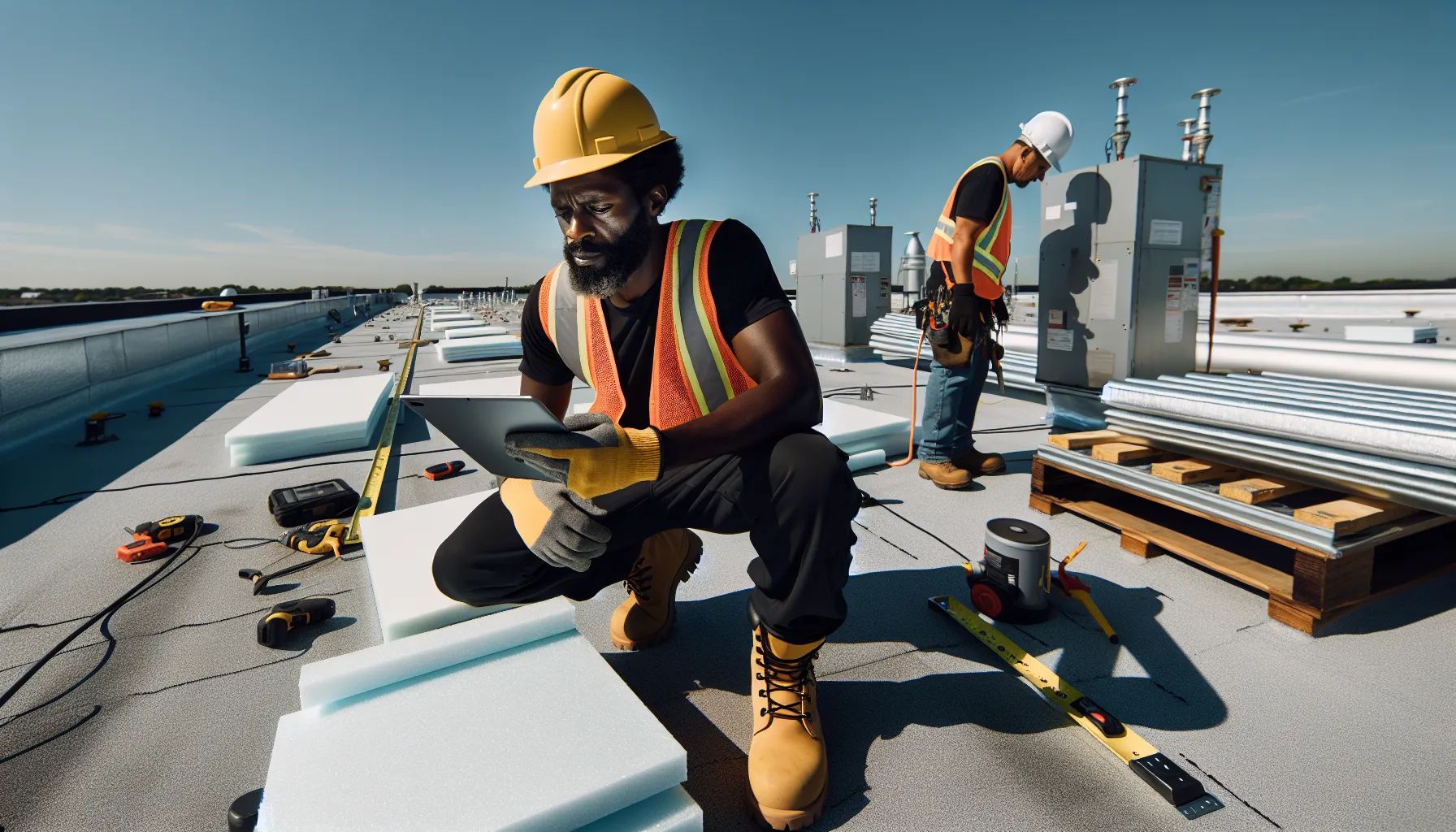
Every repair starts with a thorough inspection. We climb onto the roof and examine every panel, seam, fastener, and penetration.
We look for active leaks, rust, loose components, and signs of structural damage. We also check gutters, downspouts, and drainage systems.
Infrared thermography is useful for finding hidden leaks. Wet insulation shows up as cool spots on thermal images, pinpointing problem areas that aren't visible to the naked eye.
We document everything with photos and notes. This documentation supports insurance claims and gives you a clear picture of what needs fixing.
After the inspection, we provide a detailed assessment. We explain what's damaged, what caused it, and what repair options you have.
Transparency matters. We don't upsell unnecessary work, and we explain trade-offs between repair approaches.
Repair Methods and Techniques
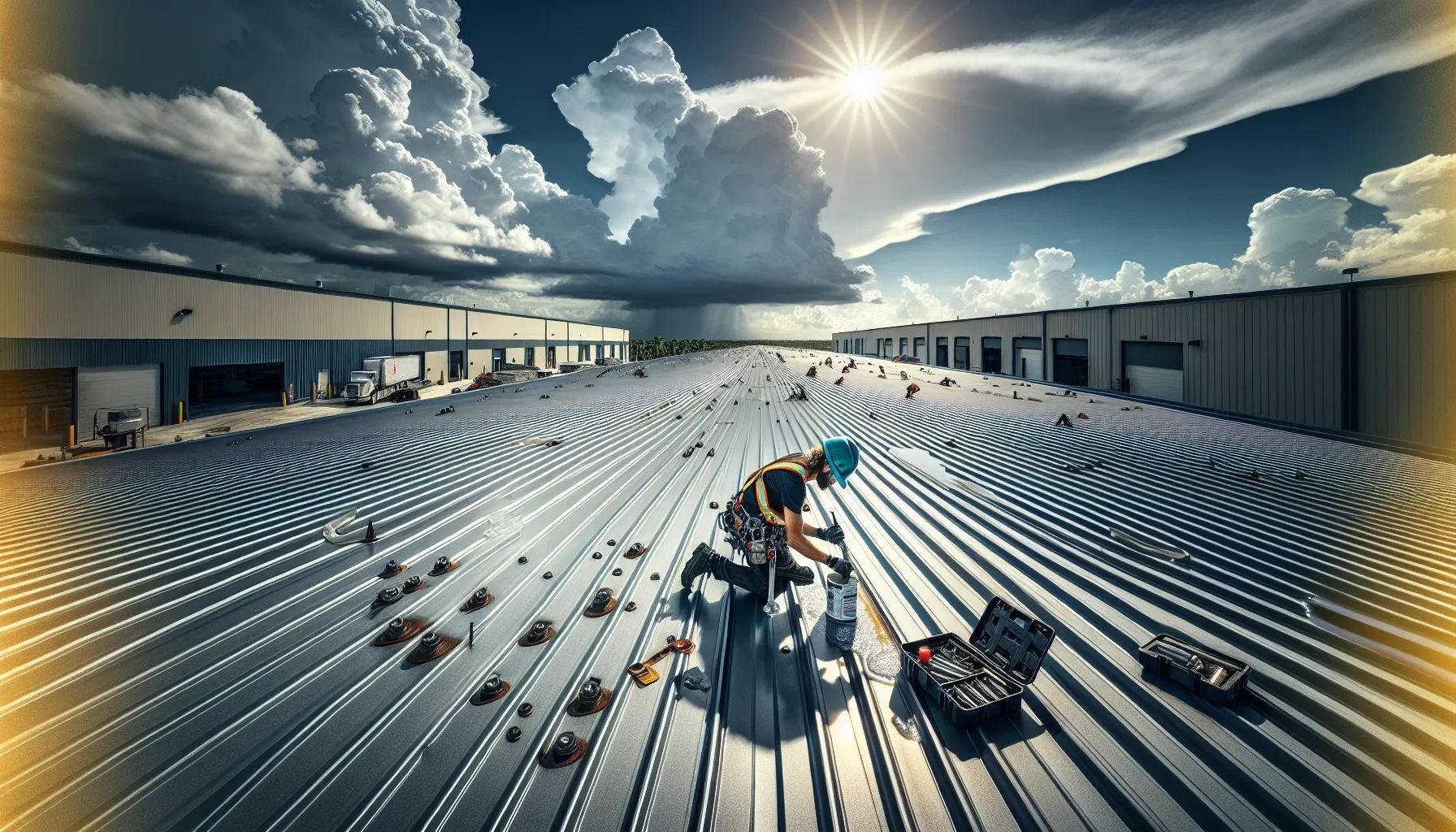
Repair methods depend on the type and extent of damage. For minor leaks, we clean the affected area, apply sealant or roof cement, and install patches if needed.
Loose fasteners get tightened or replaced. We use fasteners compatible with your panel material to prevent galvanic corrosion.
Rusted panels require surface preparation. We remove loose rust, apply rust-inhibiting primer, and coat the area with a protective finish. Severely corroded panels get replaced entirely.
Damaged panels are cut out and new ones installed. We match the profile, gauge, and finish of existing panels so repairs blend in.
Insulation replacement is necessary when water has soaked through. Wet insulation doesn't dry out effectively in Florida's climate, and leaving it in place promotes mold growth.
Seam repairs involve resealing overlaps with compatible sealants. Standing seam roofs may need mechanical reseaming if the original seam has separated.
Flashing repairs address vulnerable areas around vents, skylights, and roof edges. We replace damaged flashing and reseal joints.
Timeline and Business Disruption
Most commercial metal roof repairs addressing minor leaks or isolated corrosion take one to three days. Simple sealant applications or fastener replacements can be completed in hours.
Panel replacement or insulation work takes longer, especially on large roofs. Expect three to seven days depending on the scope.
We minimize business disruption by working during off-hours when possible. Early morning or weekend schedules keep noise and activity away from normal operations.
Weather delays are common in Florida. Afternoon thunderstorms can halt work, and we never apply sealants or coatings in wet conditions.
We communicate daily about progress and any issues that arise. If we discover additional damage during repairs, we discuss options before proceeding.
Temporary weatherproofing protects your building if work stretches across multiple days. Tarps, temporary seals, and barriers prevent water intrusion while repairs are underway.
Cost Factors for Commercial Metal Roof Repairs
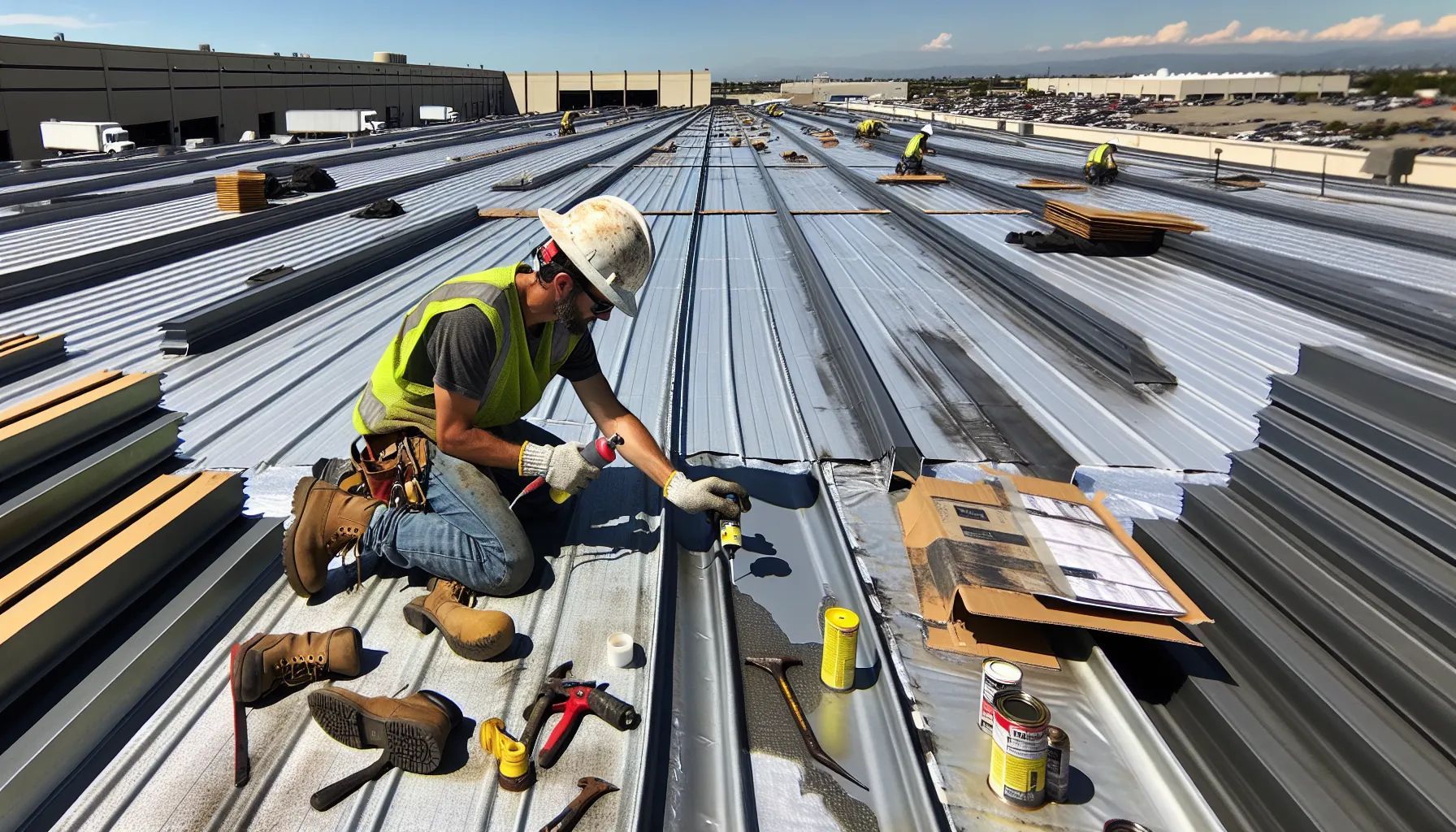
Pricing for commercial metal roof repair varies widely. Several factors determine final costs, and understanding them helps you budget accurately.
Extent and Type of Damage
Minor leak repairs, tightening fasteners, applying sealant, typically cost $500 to $2,000. These are quick fixes that don't require extensive materials or labor.
Panel replacement is more expensive. Replacing a few damaged panels runs $2,000 to $5,000, depending on panel type and roof accessibility.
Widespread corrosion or multiple leaks increase costs significantly. If large sections of the roof need attention, you're looking at $10,000 to $30,000 or more.
Structural repairs add another layer of expense. If water has damaged roof decking or framing, those components must be replaced before roof repairs can proceed.
Insulation replacement costs $2 to $4 per square foot. On a 10,000-square-foot roof with localized water damage affecting 1,000 square feet, insulation alone adds $2,000 to $4,000.
Roof Size and Accessibility
Larger roofs require more labor and materials. A 5,000-square-foot roof costs less to repair than a 20,000-square-foot roof with similar damage.
Accessibility matters. Roofs with difficult access, no safe ladder points, obstacles, or height challenges, increase labor costs. We may need specialized equipment like lifts or scaffolding.
Roof pitch affects pricing too. Steeper pitches are harder to work on safely, requiring additional safety equipment and slowing down the work.
Multi-level roofs with varying heights or complex layouts take longer to inspect and repair. Each level or section adds time and complexity.
Insurance Coverage Considerations
Insurance may cover storm damage or sudden failures. If a hurricane damages your roof, file a claim immediately and document everything with photos and videos.
Normal wear and tear typically isn't covered. Gradual rust, aging sealants, or deferred maintenance issues fall on the building owner.
Deductibles vary. Commercial policies often have higher deductibles than residential ones, sometimes $5,000 to $25,000. You pay out of pocket up to that amount.
Policy limits and coverage exclusions matter. Review your policy to understand what's covered and what's not. Some policies exclude wind damage or limit coverage for roofs over a certain age.
Working with your insurance adjuster is critical. We provide detailed documentation and estimates to support your claim. The more evidence you have, the better your chances of full coverage.
Out-of-pocket costs for minor repairs are often lower than your deductible, so filing a claim doesn't always make sense. We help you weigh the decision based on repair costs and policy terms.
Preventive Maintenance to Avoid Costly Repairs
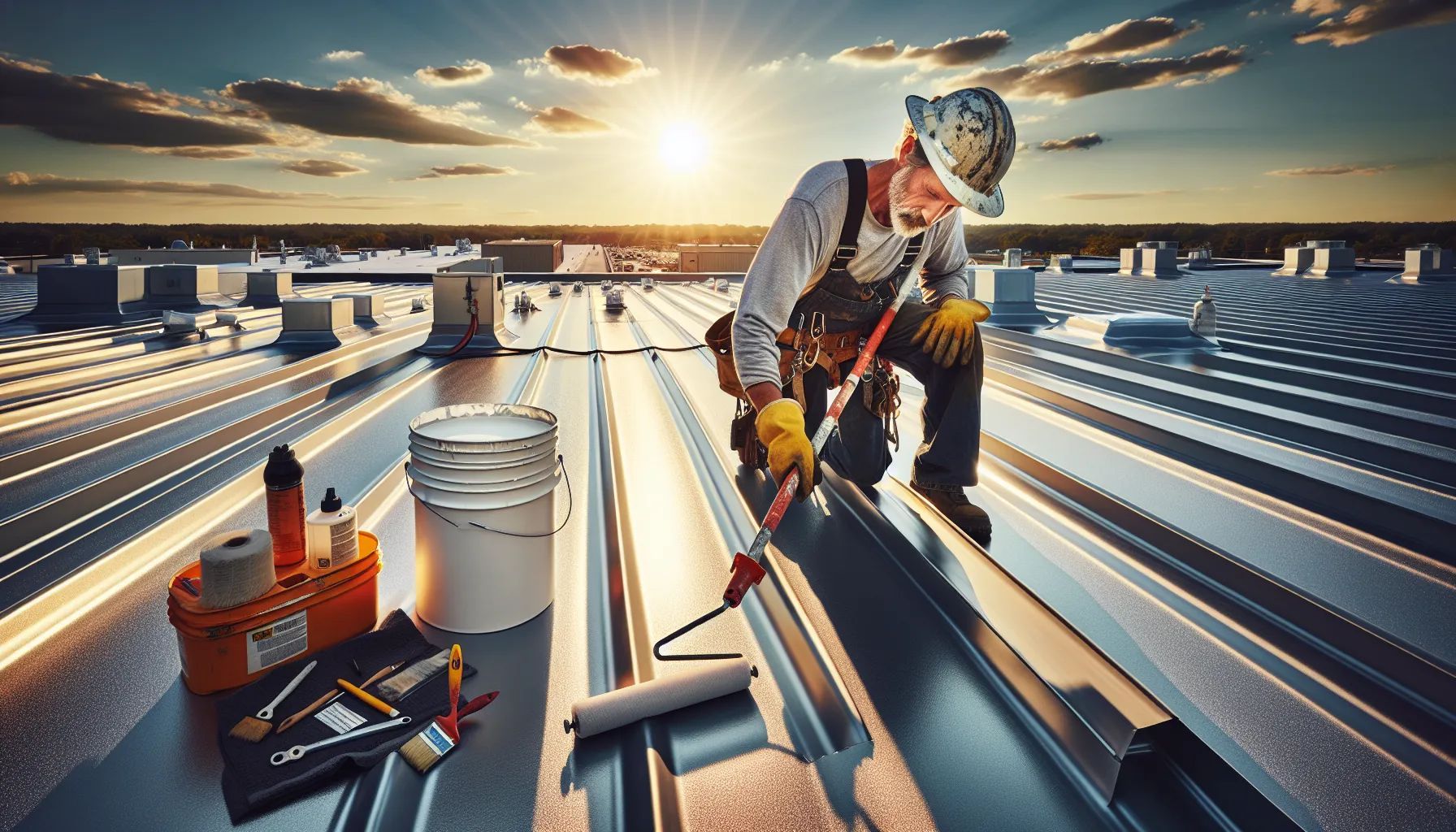
Preventive maintenance is the most cost-effective strategy for extending roof life and avoiding emergency repairs. Small investments in upkeep pay off with fewer leaks, less corrosion, and longer roof service life.
Regular Inspection Schedules
Inspect your commercial metal roof at least twice a year. Spring and fall are ideal times, after winter storms and before hurricane season.
Post-storm inspections are equally important. Even if your roof looks fine from the ground, wind and debris can cause hidden damage.
Professional inspections catch problems early. We identify loose fasteners, early-stage rust, and failing sealants before they cause leaks.
Inspections should cover the entire roof surface, all penetrations, flashing, gutters, and drainage systems. We also check from inside for water stains or insulation damage.
Documenting inspection findings creates a maintenance history. This record helps track roof condition over time and supports insurance claims if damage occurs.
Some building owners schedule quarterly inspections, especially in high-risk areas or for older roofs. The frequency depends on roof age, condition, and local weather patterns.
Protective Coatings and Treatments
Rust-inhibiting coatings protect metal from corrosion. Applied over cleaned, prepped surfaces, these coatings seal out moisture and extend panel life.
Reflective roof coatings reduce heat absorption. In Florida, roof surface temperatures can exceed 160°F. Reflective coatings lower temperatures, reduce cooling costs, and minimize thermal expansion stress.
Elastomeric coatings create a waterproof membrane over the entire roof. They seal seams, fasteners, and minor imperfections. Properly applied, they can add 10 to 15 years of service life.
Coating application requires surface preparation. We clean the roof, remove rust, repair damage, and ensure surfaces are dry before applying coatings.
Coatings aren't a substitute for repairs. If your roof has significant damage, fix it first, then apply coatings to protect the repaired surface.
Reapplication schedules vary. Most coatings last 10 to 15 years, but UV exposure, foot traffic, and weather can shorten that. Inspect coatings annually and reapply as needed.
Debris removal is simple but critical. Keep gutters clear, remove leaves and branches, and prevent standing water. Debris traps moisture and accelerates corrosion.
Trim overhanging tree branches. Branches scrape panels during wind events and drop leaves that clog drainage systems.
Regular cleaning, pressure washing or soft washing, removes dirt, algae, and salt buildup. Clean roofs reflect more sunlight, last longer, and look better.
Choosing the Right Commercial Roofing Contractor
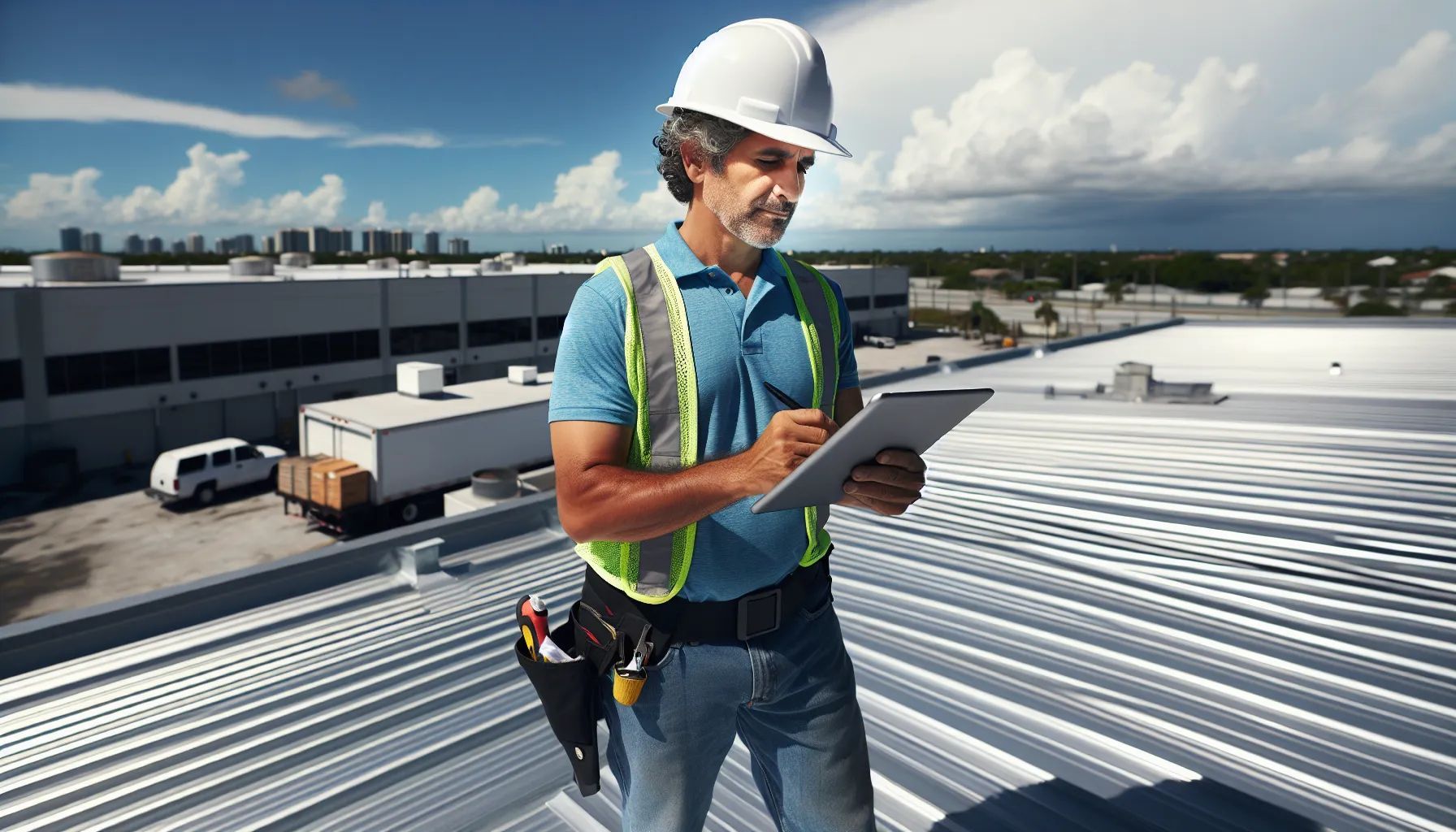
Selecting a contractor is one of the most important decisions you'll make. The right contractor delivers quality work on time and within budget. The wrong one creates headaches, delays, and subpar repairs.
Essential Qualifications and Credentials
Experience with commercial metal roofing is non-negotiable. Residential roofing skills don't translate directly to commercial work. Ask how many commercial metal roof repairs the contractor has completed in the past year.
Proper licensing is required. In Florida, roofing contractors must hold a state-certified or registered license. Verify the license through the Florida Department of Business and Professional Regulation website.
Insurance coverage protects you from liability. The contractor should carry general liability insurance and workers' compensation. Ask for certificates of insurance and verify coverage directly with the insurer.
References and reviews provide insight into work quality and reliability. Ask for references from recent commercial projects, and follow up with those clients. Check online reviews on Google, Yelp, and industry-specific sites.
Manufacturer certifications indicate specialized training. Many metal roofing manufacturers certify contractors who meet specific standards. Certified contractors often offer better warranties.
Local presence matters. A contractor based in the Tampa Bay area understands Florida building codes, permitting requirements, and local weather challenges. They're also easier to reach if issues arise.
Questions to Ask Before Hiring
Ask for a detailed written estimate. It should include scope of work, materials, labor, timeline, and payment terms. Vague estimates lead to disputes and cost overruns.
What's the estimated completion time? Get a realistic timeline and understand what could cause delays. Ask how the contractor handles weather-related interruptions.
What warranties are offered? Manufacturer warranties cover materials: contractor warranties cover workmanship. Understand what's covered and for how long.
Who will be on-site? Some contractors subcontract work to crews they don't directly supervise. Ask who will perform the work and whether they're employees or subcontractors.
How do you handle unexpected issues? Repairs sometimes reveal hidden damage. Ask how the contractor communicates additional work needs and pricing.
What's included in the contract? Everything agreed upon verbally should be in writing. The contract should cover scope, cost, timeline, payment schedule, warranty terms, and cleanup responsibilities.
How do you protect the building during repairs? Ask about safety measures, debris containment, and temporary weatherproofing.
Can you provide proof of permits? Commercial roofing work often requires permits. The contractor should handle permit applications and inspections.
What's your payment schedule? Avoid contractors who demand full payment upfront. Typical payment structures involve a deposit (10-30%), progress payments, and final payment upon completion.
Trust your instincts. If a contractor is evasive, pushy, or unwilling to answer questions, move on. Good contractors are transparent and patient.
Repair vs. Replacement: Making the Right Decision
Not every damaged roof is worth repairing. Sometimes replacement is the smarter financial decision.
Here's how to evaluate your options.
Age is a primary factor. Metal roofs typically last 30 to 50 years. If your roof is nearing the end of its expected lifespan and requires significant repairs, replacement makes more sense.
Extent of damage matters. Minor localized damage, a few rusted panels, isolated leaks, is repairable. Widespread corrosion, multiple leaks across large areas, or structural failure point toward replacement.
Repair costs versus replacement costs should be compared. If repair costs exceed 50% of replacement costs, replacement often delivers better long-term value.
Energy efficiency improvements come with replacement. New metal roofing systems with modern insulation and reflective coatings reduce energy costs significantly.
Frequency of repairs is a red flag. If you're repairing the same roof every year or two, you're throwing money away. Replacement eliminates ongoing repair cycles.
Building plans influence the decision. If you're planning a major renovation or addition, coordinate roof replacement with that project.
Insurance considerations play a role. If your insurer is threatening to cancel coverage or dramatically increase rates due to roof condition, replacement may be necessary to maintain coverage.
Resale value improves with a new roof. If you're planning to sell the building, a new roof is a strong selling point and may increase the sale price more than the roof cost.
Warranties reset with replacement. New roofs come with material and workmanship warranties that provide peace of mind for decades.
We provide honest assessments. If repairs make sense, we recommend them. If replacement is the better option, we explain why and provide detailed cost comparisons.
Partial roof replacement is sometimes an option. If only one section of the roof is severely damaged, replacing that section while maintaining the rest can be cost-effective.
The decision eventually depends on your building's condition, budget, and long-term plans. We help you weigh the factors and make an informed choice.
Conclusion
Commercial metal roof repair protects your building, your business operations, and your investment. Catching damage early, working with qualified contractors, and maintaining your roof proactively are the keys to avoiding expensive surprises.
Florida's weather is hard on metal roofs, but with regular inspections and timely repairs, your roof can deliver decades of reliable service.
Don't wait for a small leak to become a major disaster.
Ready to get your commercial metal roof inspected? Contact us today to schedule a comprehensive roof assessment. We'll identify any issues, provide a detailed repair plan, and give you a transparent estimate with no obligation.
We serve the entire Tampa Bay area, including St. Petersburg, Clearwater, Tampa, and surrounding communities. Our team has the experience, equipment, and credentials to handle any commercial metal roof repair, big or small.
Call us now or fill out our online form to get started. Protect your business, protect your roof, before the next storm hits.
How much does commercial metal roof repair typically cost?
Commercial metal roof repair costs vary based on damage extent. Minor leak repairs typically run $500 to $2,000, while panel replacement costs $2,000 to $5,000. Widespread corrosion or structural damage can range from $10,000 to $30,000 or more depending on roof size and complexity.
What are the most common signs that my commercial metal roof needs repair?
Key warning signs include water stains on ceilings, visible rust or discoloration on panels, loose or missing fasteners, puddles or drips during rain, and increased energy bills. Exterior indicators include punctured panels, debris accumulation, and warped or buckled metal sections requiring immediate attention.
How often should I have my commercial metal roof inspected?
Commercial metal roofs should be professionally inspected at least twice a year, ideally in spring and fall. Post-storm inspections are equally critical, especially after hurricanes or severe weather events. Regular inspections catch problems early, preventing costly emergency repairs and extending roof lifespan.
Can a commercial metal roof be repaired, or does it need full replacement?
Many commercial metal roofs can be repaired if damage is localized. However, if repair costs exceed 50% of replacement costs, the roof is near its 30-50 year lifespan, or you're experiencing frequent recurring repairs, replacement typically offers better long-term value and comes with renewed warranties.
What causes metal roof corrosion to develop faster in coastal areas?
Coastal environments accelerate metal roof corrosion due to salt-laden air, high humidity, and constant moisture exposure. Salt acts as a catalyst for rust formation, while debris accumulation traps moisture against panels. Dissimilar metals in contact also create galvanic corrosion, rapidly degrading roofing components.
Will insurance cover my commercial metal roof repair costs?
Insurance typically covers sudden damage from storms, hurricanes, or unexpected failures. However, normal wear and tear, gradual rust, or deferred maintenance usually aren't covered. Commercial policies often have high deductibles ($5,000-$25,000), so document all damage thoroughly to support your claim.