How Long Do Terracotta Roofs Last
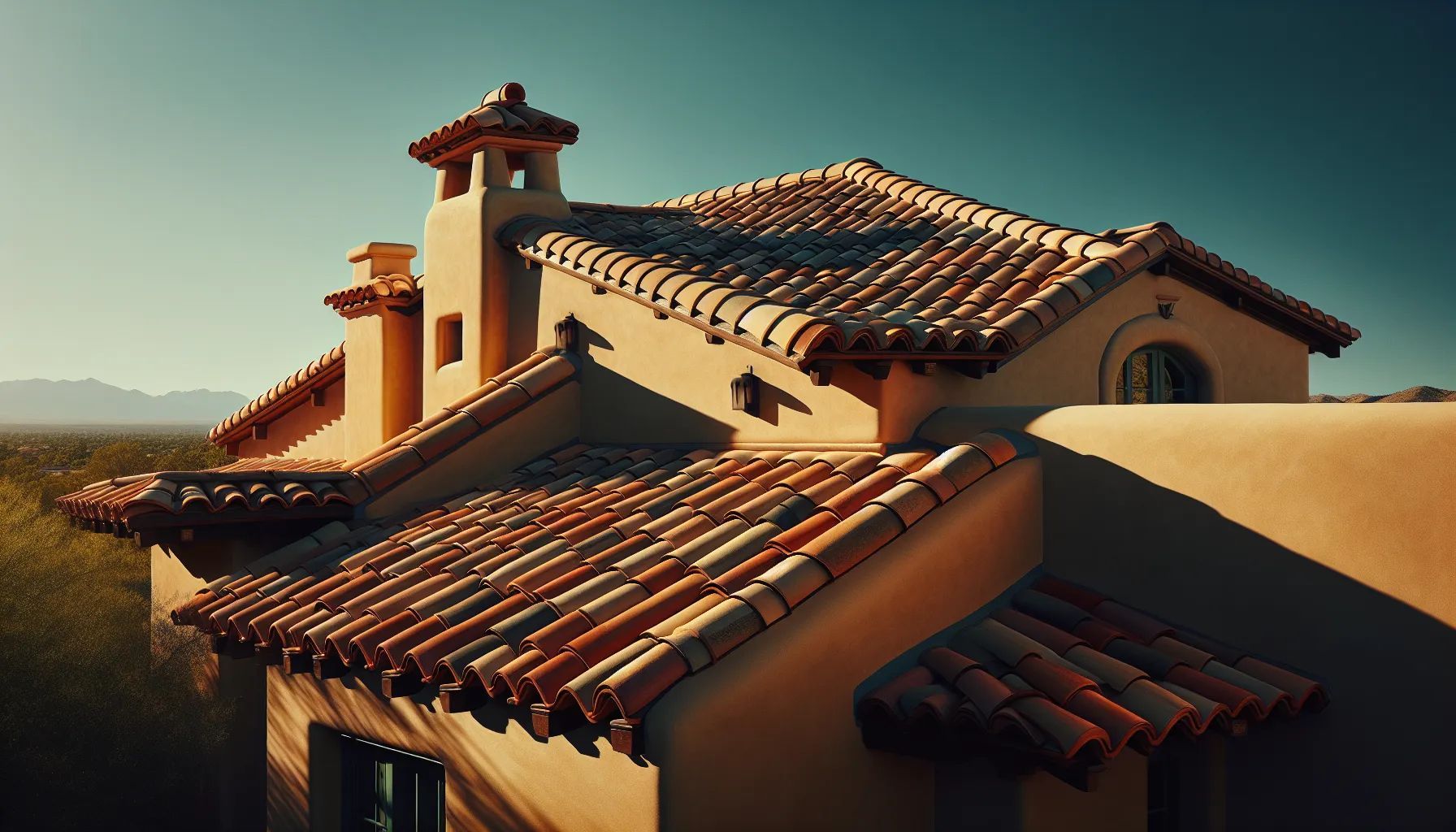
How long do terracotta roofs last? If you're considering this classic roofing material, you're probably wondering whether its legendary durability justifies the investment. Terracotta tile roofs are known for outlasting nearly every other roofing option, but their actual lifespan depends on several important factors. In this guide, we'll explore the expected longevity of terracotta roofs, what influences how long they'll protect your home, and how to maximize their lifespan through proper care and maintenance.
Average Lifespan of Terracotta Tile Roofs
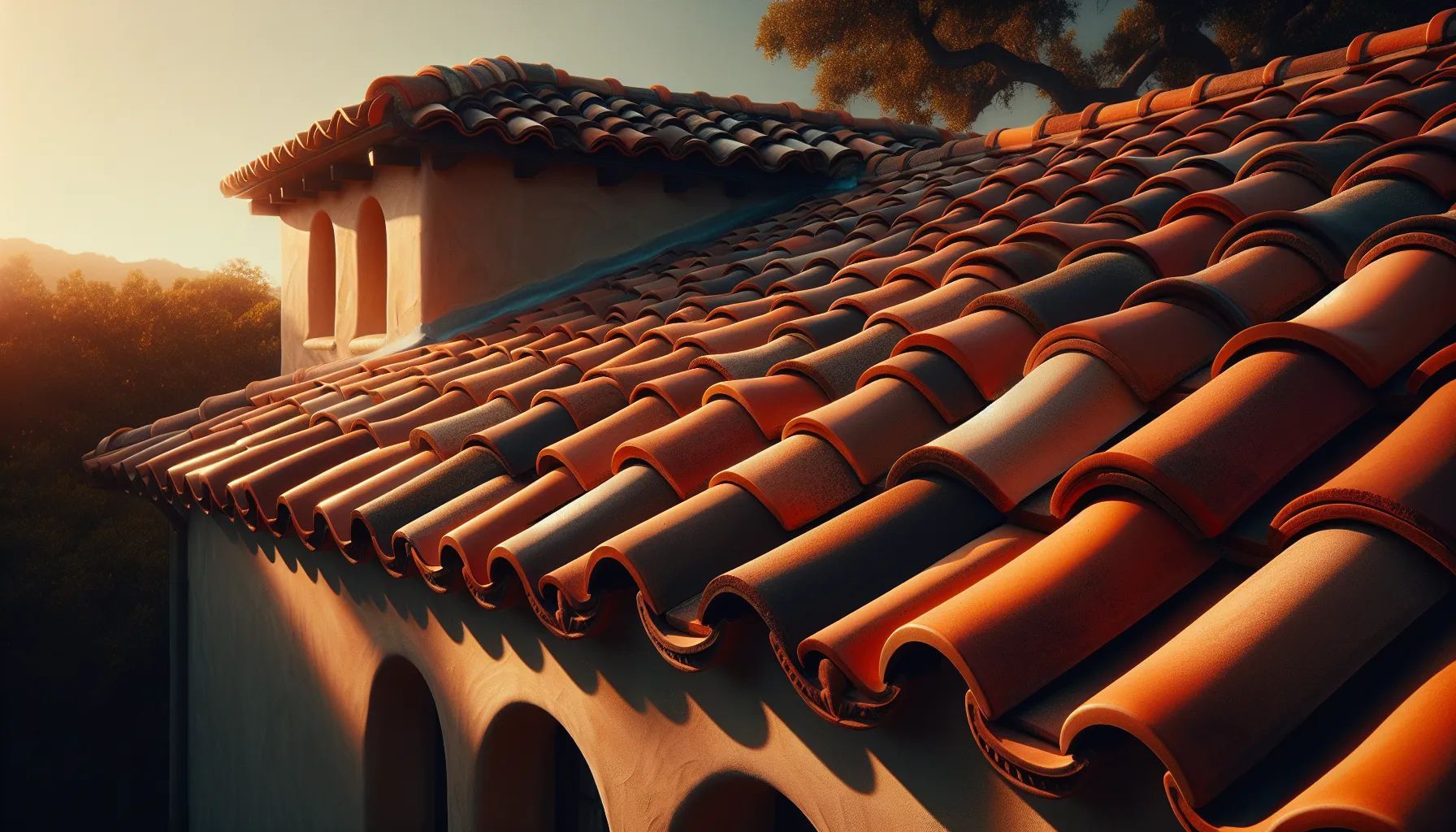
Terracotta tile roofs typically last between 50 and 100 years, with some well-maintained roofs reaching 150 years or more. This exceptional longevity places terracotta among the most durable roofing materials available today.
The wide range in lifespan reflects differences in climate, installation quality, and maintenance practices. In optimal conditions with professional installation and regular care, we've seen terracotta roofs that have protected homes for over a century. The tiles themselves are incredibly resilient, it's often the underlayment and flashing that require replacement long before the tiles show significant wear.
What makes terracotta so durable? The manufacturing process involves firing clay at extremely high temperatures, creating a dense, weather-resistant material that doesn't rot, warp, or deteriorate like organic roofing options. Unlike asphalt shingles that break down under UV exposure, terracotta tiles actually become harder and more weather-resistant over time.
It's worth noting that while the tiles can last a century, the underlayment beneath them typically needs replacement every 20 years. This is an important consideration when evaluating the true lifetime costs and maintenance requirements of a terracotta roof. Even so, the tiles themselves will far outlast multiple underlayment replacements and continue protecting your home for generations.
Factors That Affect Terracotta Roof Longevity
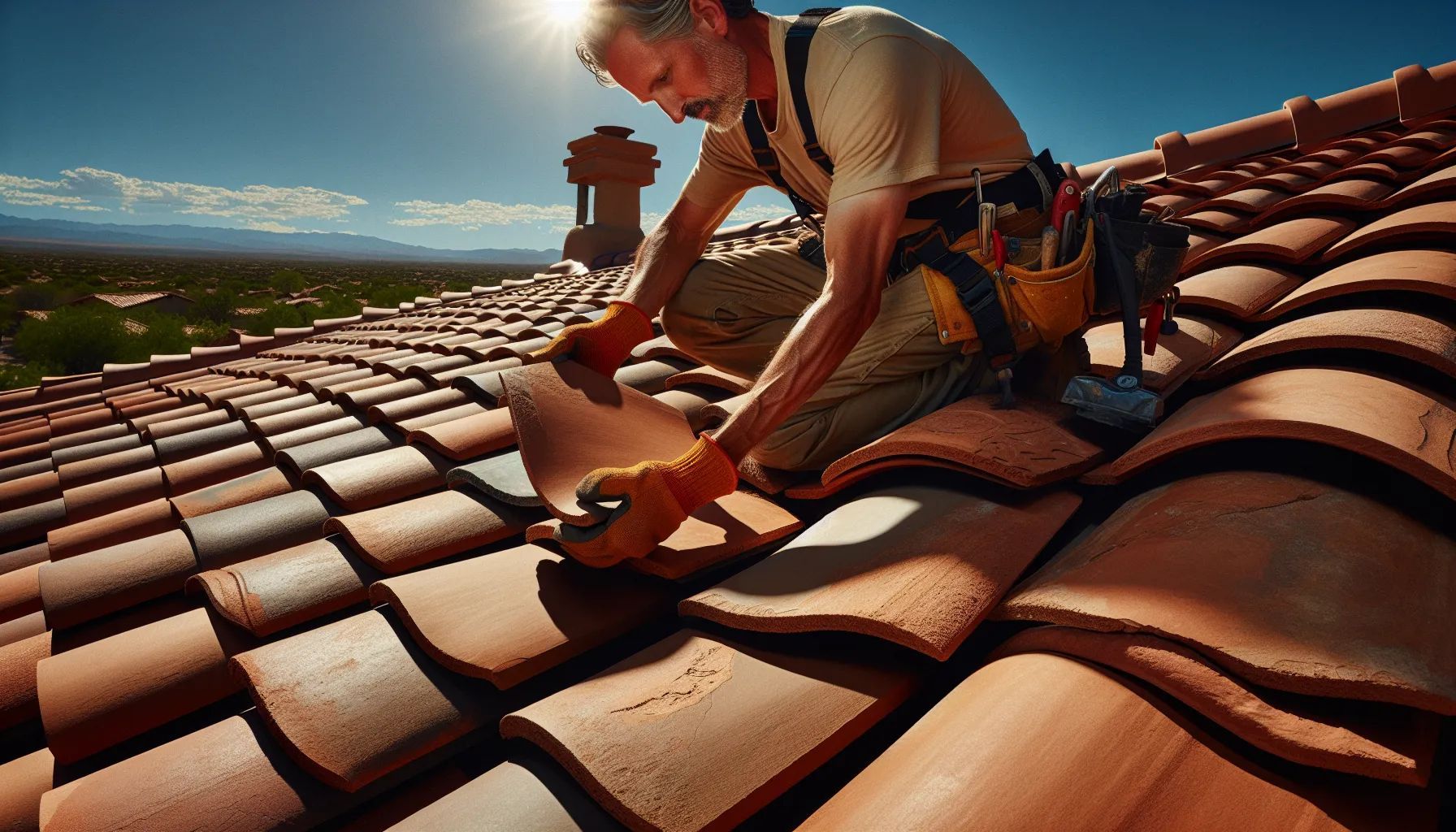
Several key factors determine whether your terracotta roof will last 50 years or exceed 100. Understanding these variables helps you make informed decisions about installation and maintenance.
Climate and Weather Conditions
Climate plays a significant role in how long terracotta tiles will last. These tiles perform exceptionally well in hot, dry climates and Mediterranean-style environments, which is why they've been used in Southern Europe and the American Southwest for centuries.
Extreme freeze-thaw cycles present the biggest challenge. When water penetrates small cracks or the porous surface of lower-quality tiles, it can freeze and expand, causing tiles to crack or spall. In regions with harsh winters, choosing frost-resistant terracotta tiles rated for your climate is essential.
Severe weather events like hail, hurricanes, or high winds can damage even the most durable terracotta. Large hailstones may crack tiles, while hurricane-force winds can dislodge improperly secured tiles. If you live in an area prone to extreme weather, we recommend selecting impact-resistant tiles and ensuring proper installation with adequate fastening.
Installation Quality and Underlayment
Installation quality directly impacts how long your terracotta roof will last. Professional installation ensures tiles are properly aligned, adequately fastened, and that water channels correctly off the roof surface.
Poor installation creates multiple problems. Improperly secured tiles can slip or crack under their own weight. Incorrect spacing prevents proper drainage, leading to water pooling and accelerated deterioration. We've seen roofs fail decades early simply because installers didn't follow manufacturer specifications.
The underlayment serves as a critical waterproof barrier beneath the tiles. Even with perfect tiles, a failing underlayment allows water infiltration that damages roof decking and interior spaces. High-quality underlayment materials and proper installation techniques protect your investment. Since underlayment typically lasts 20 years while tiles last 100, plan for periodic underlayment replacement as part of your long-term roof maintenance strategy.
Maintenance Practices
Regular maintenance is perhaps the most controllable factor affecting terracotta roof longevity. Roofs that receive consistent care and prompt repairs can easily reach or exceed 100 years, while neglected roofs may fail at 50 years or less.
Routine maintenance prevents small issues from becoming major problems. A single cracked tile, if left unaddressed, allows water infiltration that can damage underlayment, decking, and interior spaces. What could have been a simple tile replacement becomes a costly repair involving multiple roof layers.
Debris accumulation, moss growth, and clogged valleys all accelerate wear. Debris holds moisture against tiles and creates conditions for biological growth. Moss and algae can penetrate tile surfaces, while their root systems create tiny cracks that expand over time. Regular cleaning removes these threats before they cause damage.
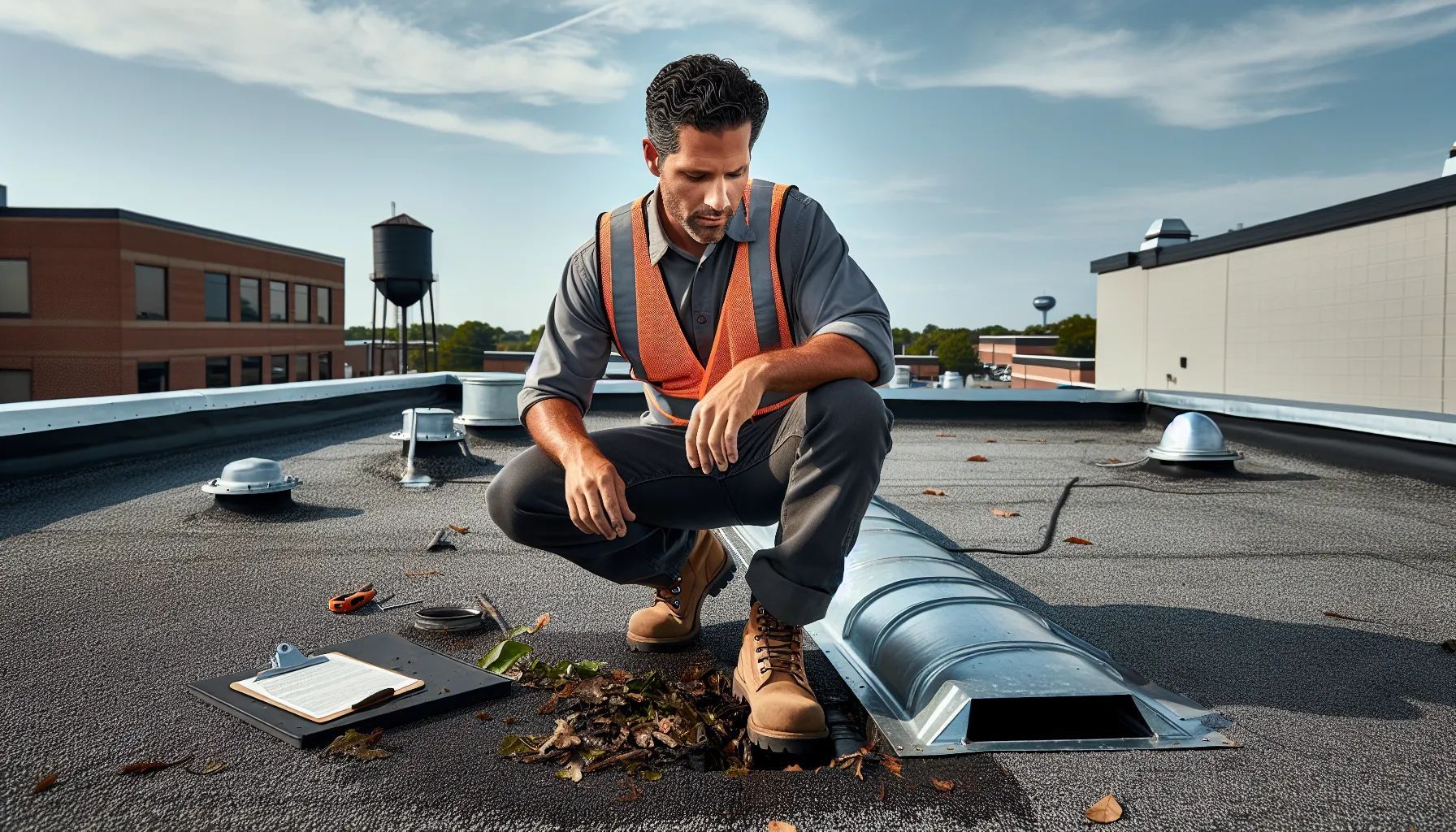
Professional inspections catch problems early. Trained inspectors identify issues homeowners often miss, subtle cracks, loose fasteners, underlayment deterioration, or flashing problems. Annual or biannual inspections give you the information you need to address problems while they're still minor and inexpensive to fix.
Signs Your Terracotta Roof Needs Replacement
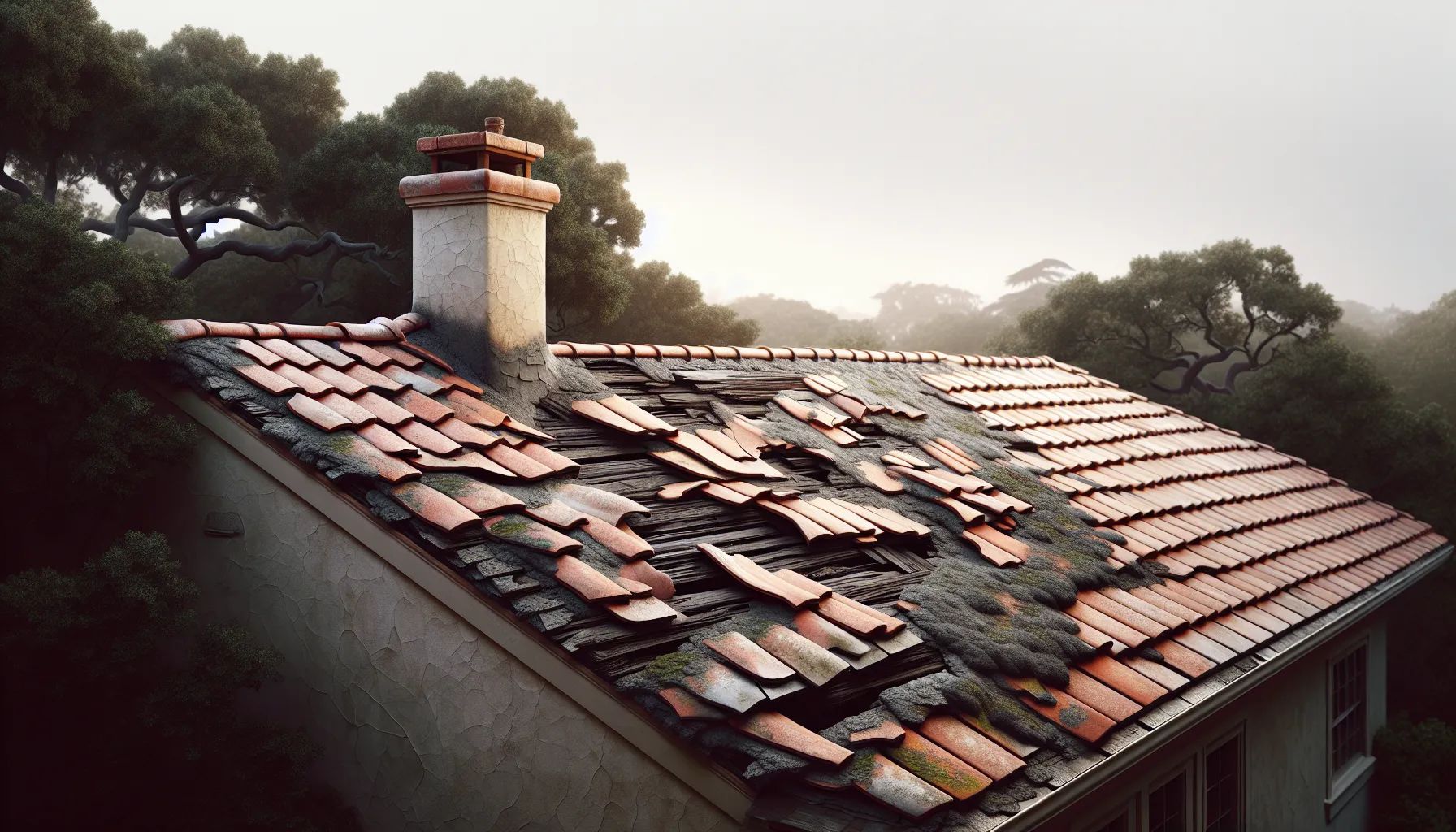
Knowing when to replace your terracotta roof saves you from more extensive damage to your home's structure and interior. Watch for these warning signs:
- Frequent or severe leaks indicate that your roof's waterproof integrity has been compromised. While occasional leaks from a single damaged tile can be repaired, widespread or recurring leaks suggest underlayment failure or multiple tile problems. If you're calling for leak repairs repeatedly, replacement may be more cost-effective than ongoing patches.
- Sagging roof areas signal serious structural problems. This usually means water has damaged the roof decking or supporting structures over time. Sagging can't be fixed with tile replacement alone, it requires addressing the underlying structural damage, which often means a complete roof replacement is necessary.
- Multiple cracked, missing, or slipped tiles across large areas indicate system-wide problems. A few damaged tiles here and there are normal over decades of service. But when you're seeing dozens of problem tiles, it suggests either poor original installation, tiles that have reached the end of their serviceable life, or underlying structural movement affecting the entire roof.
- Widespread mildew, moss, or visible water infiltration on interior ceilings means water is regularly penetrating your roof system. Surface growth on tiles themselves isn't necessarily a problem, but if you're seeing stains on interior ceilings, persistent attic moisture, or extensive biological growth on the underside of the roof deck, your roof is no longer keeping water out effectively.
How to Extend the Life of Your Terracotta Roof
Proper care and maintenance can add decades to your terracotta roof's lifespan. We recommend following these best practices.
Regular Inspections and Cleaning
Conduct visual inspections at least twice yearly, once in spring and once in fall. From the ground, look for missing or obviously damaged tiles, sagging areas, or debris accumulation. Use binoculars to examine hard-to-see sections without climbing on the roof yourself.
Clean your roof regularly to prevent debris buildup and biological growth. Remove leaves, branches, and other debris from valleys and areas where water collects. For moss, algae, or lichen growth, use appropriate cleaning solutions designed for terracotta tiles. Avoid pressure washing, which can damage tiles and force water under them. Instead, use gentle spray methods or soft brushing.
Keep gutters clean and functioning. Clogged gutters cause water to back up under roof edges, accelerating underlayment deterioration and potentially damaging tiles at the roof perimeter. Clean gutters at least twice yearly, more often if you have overhanging trees.
Prompt Repairs and Tile Replacement
Address damaged tiles immediately. When you spot a cracked, broken, or missing tile, replace it as soon as possible. Water infiltration through even one compromised tile can damage underlayment and decking, creating problems far more expensive than a simple tile replacement.
Maintain the underlayment. While tiles can last a century, underlayment typically needs replacement every 20 years. Don't wait for leaks to appear, proactively replace underlayment on schedule. This is especially important if you notice water stains in your attic or signs of moisture penetration.
Check and maintain flashing. Flashing around chimneys, vents, and roof penetrations often fails before tiles do. Inspect flashing during your regular roof checks and repair or replace deteriorated sections. Proper flashing maintenance prevents water infiltration at these vulnerable points.
Schedule professional inspections annually or biannually. Professionals can safely walk on terracotta roofs using proper techniques and identify issues you might miss. They'll check tile condition, underlayment integrity, flashing, fasteners, and roof structure. The cost of professional inspections is minimal compared to the expense of major repairs caused by undetected problems.
Terracotta Roofs vs. Other Roofing Materials
How does terracotta compare to other roofing options in terms of lifespan? The differences are striking.
| Material | Typical Lifespan |
|---|---|
| Terracotta/Clay Tile | 50–100+ years |
| Slate | 50–100+ years |
| Metal | 40–70 years |
| Concrete Tile | ~50 years |
| Cedar Shingle/Shake | 25–50 years |
| Asphalt Shingle | 15–30 years |
Terracotta and slate roofs offer comparable longevity, both lasting 50 to 100 years or more. Slate edges out terracotta slightly in the harshest climates, but terracotta offers better insulation properties and is often less expensive.
Metal roofs provide good longevity at 40 to 70 years, depending on the metal type and coating quality. While metal doesn't match terracotta's lifespan, it's lighter weight and works well on structures that can't support heavy tile.
Concrete tiles last around 50 years, about half terracotta's upper range. Concrete tiles cost less initially but don't develop the beautiful patina that terracotta acquires over time. They're also more prone to moisture absorption and can deteriorate faster in freeze-thaw conditions.
Cedar shingles and shakes offer 25 to 50 years of service with proper maintenance. They provide natural beauty but require more frequent maintenance than terracotta and are susceptible to rot, insect damage, and fire.
Asphalt shingles last just 15 to 30 years, you'll replace an asphalt roof three to six times during the lifespan of one terracotta roof. While asphalt's low initial cost is attractive, the repeated replacement costs add up significantly over decades.
Cost Considerations Over the Roof's Lifetime
Asphalt shingles last just 15 to 30 years, you'll replace an asphalt roof three to six times during the lifespan of one terracotta roof. While asphalt's low initial cost is attractive, the repeated replacement costs add up significantly over decades.
Initial installation costs for terracotta typically range from $30,000 to $60,000 for an average home, about three times more than asphalt shingles. This includes materials, specialized installation labor, and any structural reinforcement needed to support the tile weight. The high upfront cost stops many homeowners from considering terracotta, but this perspective misses the lifetime value proposition.
Consider the replacement frequency. An asphalt roof lasting 20 years will need replacement three to five times during a terracotta roof's 100-year lifespan. If asphalt installation costs $15,000 today, you'll spend $45,000 to $75,000 on replacements over the same period, comparable to or exceeding a single terracotta installation.
Maintenance costs favor terracotta in the long run. While terracotta requires periodic underlayment replacement every 20 years (typically $3,000 to $8,000), the tiles themselves need minimal maintenance beyond occasional repairs. Asphalt roofs, by contrast, require more frequent repairs as they age and deteriorate more quickly.
Energy savings add to terracotta's value. These tiles provide excellent insulation, keeping homes cooler in summer and warmer in winter. We've seen energy savings of 10% to 25% compared to asphalt roofs, which translates to hundreds of dollars annually. Over a century, these savings become substantial.
Property value considerations matter too. Terracotta roofs are considered premium features that increase home value and appeal. When you sell, you'll likely recoup a significant portion of your investment through higher sale prices and faster sales. Homes with terracotta roofs also face lower insurance costs in some areas due to the tiles' fire resistance and durability.
Conclusion
Terracotta roofs can last 50 to 100 years or more, making them one of the longest-lasting roofing materials available. Their exceptional durability comes from the high-temperature firing process that creates dense, weather-resistant tiles that actually improve with age.
Several factors influence how long your terracotta roof will last. Climate conditions, particularly freeze-thaw cycles and severe weather, can either extend or reduce lifespan depending on tile quality and climate appropriateness. Installation quality and underlayment selection are critical, professional installation and quality materials prevent premature failure. Regular maintenance practices, including inspections, cleaning, and prompt repairs, can add decades to your roof's service life.
Watch for warning signs like frequent leaks, sagging areas, multiple damaged tiles, or widespread moisture infiltration. These indicators suggest it's time for replacement or major repairs. But with proper care, regular inspections, debris removal, prompt tile replacement, and scheduled underlayment replacement every 20 years, your terracotta roof can protect your home for a century or more.
While the upfront cost of terracotta is three times higher than asphalt, the long-term value proposition is compelling. You'll avoid multiple roof replacements, enjoy energy savings, and benefit from increased property value. For homeowners planning to stay in their homes long-term or who value durability and classic aesthetics, terracotta roofs represent a smart investment that literally lasts a lifetime, and then some.
How long do terracotta roofs typically last?
Terracotta tile roofs typically last between 50 and 100 years, with some well-maintained roofs reaching 150 years or more. This exceptional longevity makes terracotta one of the most durable roofing materials available today.
What is the biggest threat to terracotta roof longevity?
Extreme freeze-thaw cycles present the biggest challenge. When water penetrates tiles and freezes, it expands and causes cracking or spalling. Choosing frost-resistant terracotta tiles rated for your climate is essential in regions with harsh winters.
How often does terracotta roof underlayment need replacement?
While terracotta tiles can last a century, the underlayment beneath them typically needs replacement every 20 years. This periodic maintenance is crucial since the underlayment serves as the waterproof barrier beneath the tiles.
Are terracotta roofs worth the high upfront cost?
Yes, terracotta roofs offer long-term value despite higher initial costs. You'll avoid multiple replacements, enjoy 10-25% energy savings, and benefit from increased property value. Over 100 years, the investment often costs less than replacing asphalt roofs repeatedly.
Can terracotta tiles withstand hail and hurricanes?
Terracotta tiles are durable but can be damaged by severe weather. Large hailstones may crack tiles, while hurricane-force winds can dislodge improperly secured tiles. Impact-resistant tiles and proper installation with adequate fastening help protect against extreme weather events.
Do terracotta roofs require special maintenance?
Terracotta roofs need regular inspections twice yearly, debris removal from valleys, and prompt repair of damaged tiles. Avoid pressure washing, as it can damage tiles. Professional inspections annually or biannually help catch problems early and extend roof lifespan.